 2 months ago
97
2 months ago
97
Just now
Osmond Chiaand Peter Hoskins,Business reporters

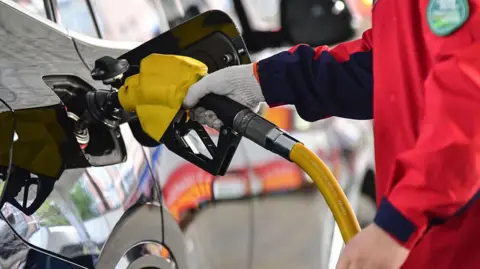 Costfoto/NurPhoto via Getty Images
Global oil prices have fallen sharply and stock markets have jumped after the US and Iran agreed a conditional two-week ceasefire deal that includes the reopening of the key Strait of Hormuz waterway.
The price of benchmark Brent crude fell by about 15.9% to $92.30 (£68.87) a barrel, while US-traded oil was almost 16.5% lower at $93.80.
But prices remain higher than before the conflict started on 28 February. At the time oil was trading at around $70 a barrel.
The cost of energy has jumped as oil and gas supplies from the Middle East have been severely disrupted after Iran threatened to attack ships trying to use the strait in retaliation for US and Israeli airstrikes.
Major stock indexes in the Asia-Pacific region rose in Wednesday morning trading. Japan's Nikkei 225 gained by 4.5% while South Korea's Kospi exchange jumped by 5.5%.
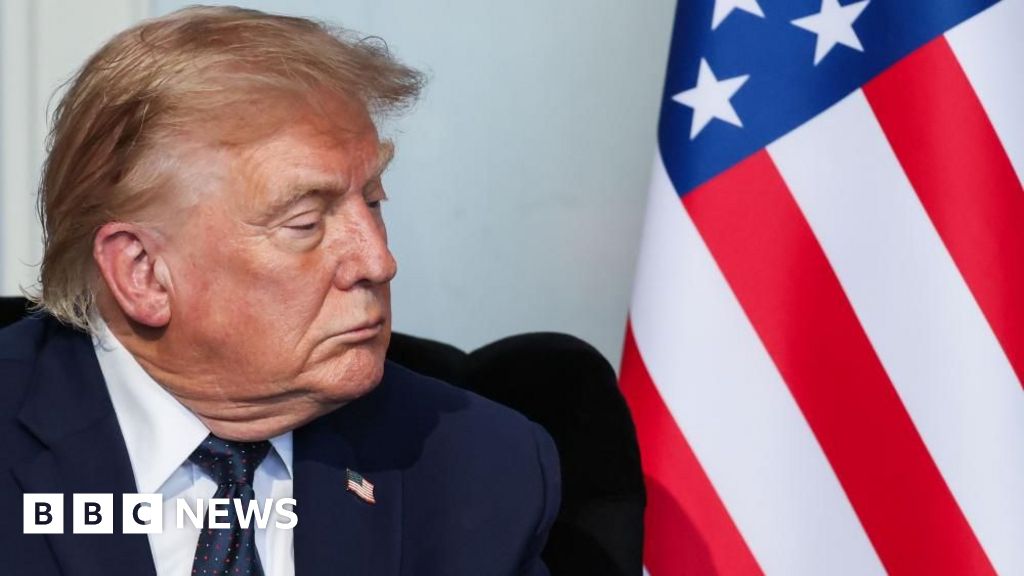
In a social media post on Tuesday evening, Trump said: "I agree to suspend the bombing and attack of Iran for a period of two weeks... subject to the Islamic Republic of Iran agreeing to the COMPLETE, IMMEDIATE, and SAFE OPENING of the Strait of Hormuz".
He had set a deadline for 20:00 EDT on Tuesday (00:00 GMT on Wednesday), threatening that "a whole civilisation will die tonight" if no deal was reached.
Iranian Foreign Minister Abbas Araghchi said on social media that Tehran will agree to a ceasefire "if attacks against Iran are halted", adding that safe passage through the Strait of Hormuz "will be possible".
Despite his threats, Trump was likely to be wary about letting energy prices "skyrocket" by escalating the conflict, said Xavier Smith from market research firm AlphaSense.
That could have led to a "self-inflicted economic wound" that few would risk, especially given the looming pressure of approval ratings on Trump's leadership, Smith said.
Asia has been hit particularly hard by the economic fallout of the Iran war as many countries are heavily reliant on energy from the Gulf.
Governments and companies across the region have announced measures in recent weeks to deal with high energy prices and fuel shortages.
On 24 March, the Philippines, which imports 98% of its oil from the Middle East, became the first country to declare a national energy emergency after petrol prices more than doubled.