 3 months ago
102
3 months ago
102
25 minutes ago
Chris MasonPolitical editor

 PA Media
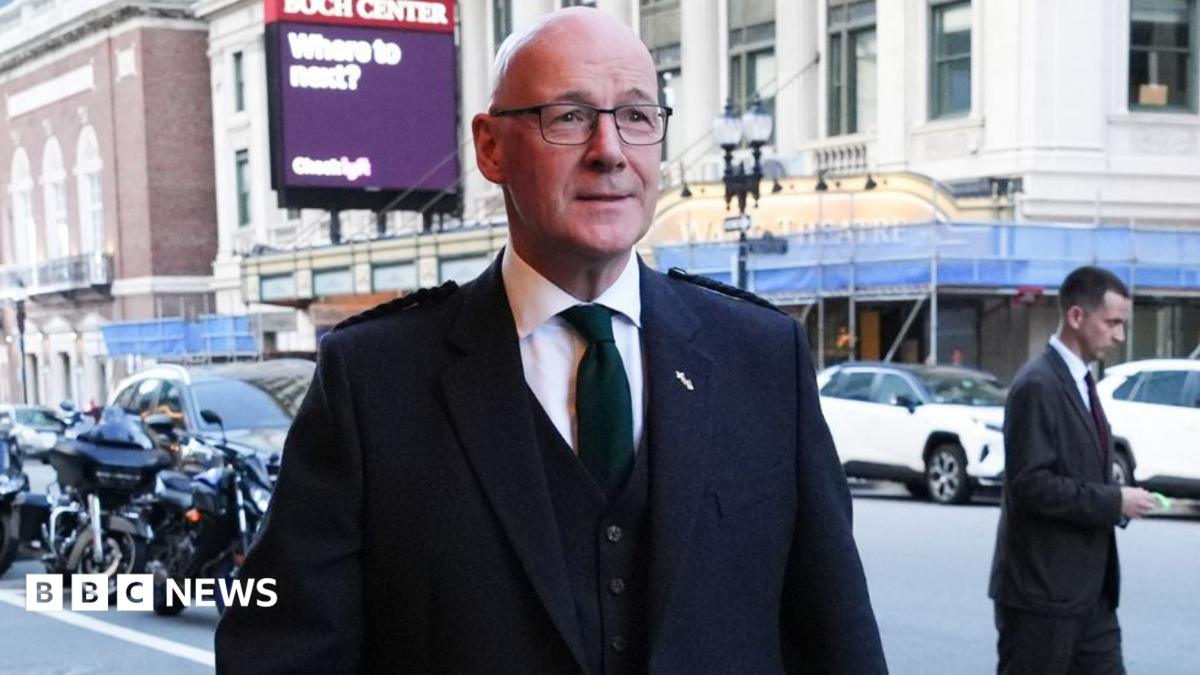
In a time of volatility, at home and abroad, why on earth would you want that in your politics as well? This was the essence of the Prime Minister's message in his BBC interview today.
Sir Keir Starmer has his back against the wall. He has had to deal with a spring of conflict, at home and abroad: America and Israel's war against Iran, which began at the end of February and the attack on two Jewish men in Golders Green in north London, on Wednesday.
Both are, of course, laden with consequences – for diplomacy, the military, the economy and society.
Starmer has been wrestling with all of this against the backdrop of the never ending Lord Mandelson saga and incessant chatter about his own future.
In his interview with the Today Programme, the Prime Minister responded to events of the last few days and months, but also had another crack at setting out what he is all about.
"I want to live in a Britain that I love, which is a decent, tolerant, live and let live, diverse Britain. But that is contested now in a way that it hasn't been contested in my lifetime," he told Radio 4.
It is an argument he has made before, including in his party conference speech last autumn, but he was doing it here in the context of the attacks in Golders Green and in the context of his political predicament.
He was explicit in his criticism of Zack Polanski and the Green Party of England and Wales and implicit in his criticism of Reform UK.
Implicit too was the way he is addressing these profound challenges while some in his own party are sizing up trying to replace him.
 PA
PA
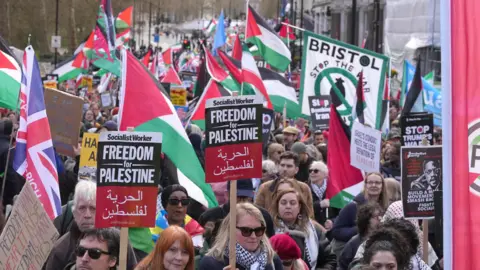
The prime minister has suggested there may be a case for banning some protests, due to the "cumulative" effect of repeated pro-Palestinian marches on the Jewish community
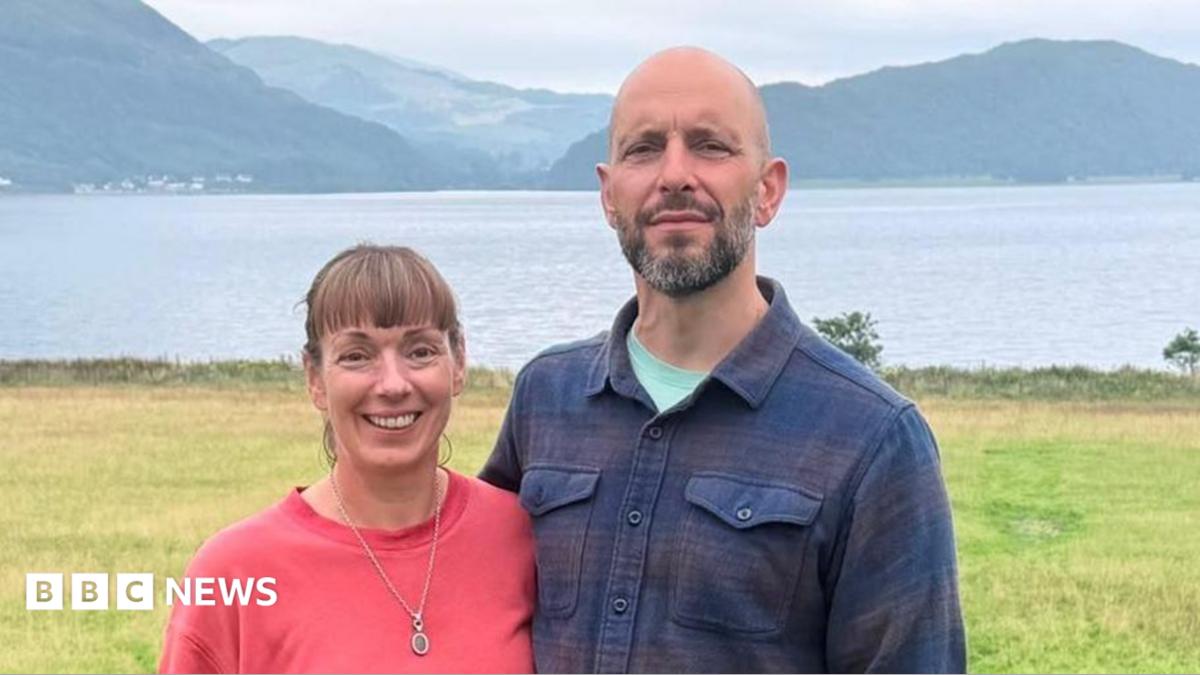
As Starmer acknowledged, it is balancing act that strikes at the heart of what freedom and democracy is all about – including the right to protest, while addressing the deep hurt, anger and fear the repeated protests cause for many in the Jewish community. Plenty of the Prime Minister's critics, in opposition parties and beyond, say they are tired of what they see as warm words and platitudes about antisemitism and want to see concrete action.
It was commissioned after the attack on a synagogue in Manchester last October and was originally due for publication in February, before Lord Macdonald asked for more time to complete his work.
Just as the report is due, the government and the police confront what to do about two protests in central London in a fortnight, on Saturday 16th May – one a pro Palestinian gathering and another 'Unite the Kingdom' rally involving Stephen Yaxley Lennon, the far right activist who calls himself Tommy Robinson.
The question for ministers now is how they go about changing the law to deal with the frequency of some protests and the language heard on some of them – particularly the phrase "globalise the intifada" which the prime minister sees as egregiously offensive, provocative and dangerous.
Then there are the wider implications of the war in Iran, an international shock of an order of magnitude comparable to the pandemic, to Brexit and to Russia's full scale invasion of Ukraine, he says.
Economically, "the green shoots of change" visible beforehand, now very vulnerable if not ripped out, he implied.
It means there is a need, he argued, for the UK to be "at the heart of a stronger Europe, on defence, on security, on energy and on our economy."
It was the most explicitly pro European language I've heard from him as Prime Minister: the UK, he said, should be "much closer to the EU."
He has self imposed limitations on that, such as not rejoining the single market, the customs union or freedom of movement.
But his wider argument is clear: he won the general election less than two years ago, there is one heck of a lot going on, and he wants to get on with dealing with it all.
The question is whether the electorate – and his party – will let him.