 2 months ago
101
2 months ago
101

 AFP
AFP
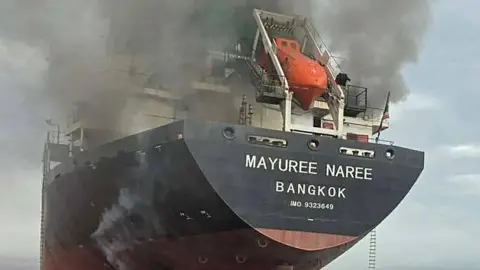
One of multiple carriers struck in Strait of Hormuz attacks in the past two weeks
Other countries have either pushed back or remained cautious on President Donald Trump's request for countries to send ships to the Strait of Hormuz, the crucial oil route under near-blockade by Iran during the war in the Middle East.
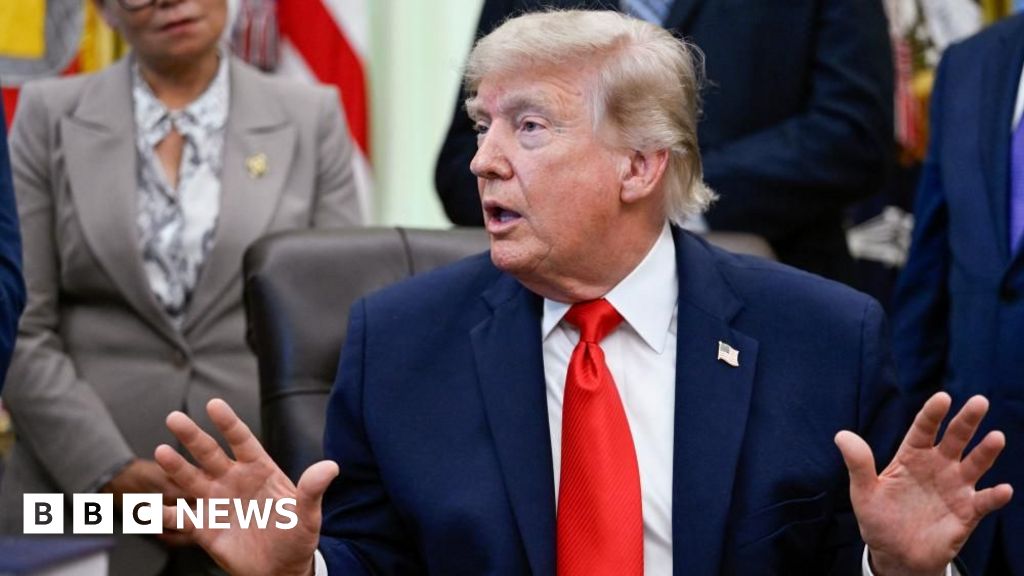
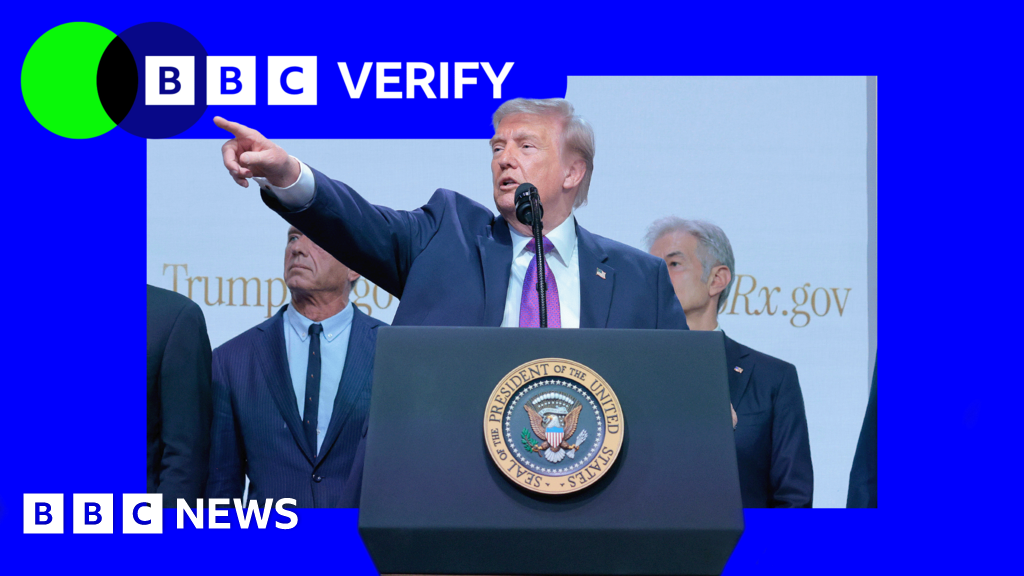
Trump has said the US will keep bombing the shoreline and Iranian vessels to "soon get the Hormuz Strait OPEN, SAFE, and FREE!" but has also called on other countries to send warships.
"Hopefully China, France, Japan, South Korea, the UK, and others, that are affected by this artificial constraint, will send Ships to the area so that the Hormuz Strait will no longer be a threat by a Nation that has been totally decapitated," Trump said in a Truth Social post on 14 March.
The US president later warned that failing to secure the strait would be "very bad for the future of Nato".
The strait has been effectively blocked by Iran, except for a handful of vessels carrying Iranian oil to countries like India and China, since Israel and the US attacked Iran on 28 February.
Multiple commercial cargo ships in the strait have been hit by "unknown projectiles" during more than two weeks of war, with one person reported killed.
Trump has said the US Navy could escort ships through the strait - his energy secretary's official social media erroneously posted that the US had escorted one, but it has not happened yet.
This is what other countries have said in response to Trump's request.
At a news conference on Monday, Prime Minister Sir Keir Starmer said conversations aimed at working out a "viable plan" were ongoing with the US, European and Gulf partners, but that we are "not at the point of decisions yet".
Pressed by the BBC on Sunday whether the UK was considering sending drones or ships to the region, Energy Secretary Ed Miliband responded: "You can rest assured that any options that can help to get the strait reopened are being looked at in concert with our allies."
Refusing to be drawn into operational details, Miliband reiterated that "ending the conflict is the best and surest way to get the strait reopened".
A government spokesman said the war with Iran had "nothing to do with Nato", while Defence Minister Boris Pistorius asked: "What does Trump expect from a handful of European frigates that the powerful US navy cannot do?"
"This is not our war. We have not started it."
President Emmanuel Macron last week said he was trying to put together a coalition to escort vessels and guarantee freedom of navigation.
But he said this could only happen once the "hottest phase" of the conflict was over. A few days later, his Defence Minister, Catherine Vautrin, said there were no immediate plans to send vessels into the Strait of Hormuz.
On 14 March, France's foreign ministry said the country's aircraft carrier strike group remained deployed in the Eastern Mediterranean, and its mission remained "defensive".
Asked by reporters on Monday whether the country had received a request to send ships and how it would respond, foreign ministry spokesperson Lin Jian said: "China once again calls on parties to immediately stop military operations, avoid further escalation of the tense situation and prevent regional turmoil from further impacting the global economy."
Jian also said China was "in communication with relevant parties to work for the deescalation of the situation".
On Sunday, the foreign ministry told the BBC the country was "paying close attention" to Trump's remarks and the two countries would continue to "communicate closely and make a decision after careful consideration".
"The Korean government is closely monitoring developments related to the situation in the Middle East and is exploring various measures under comprehensive consideration to protect Korean nationals and ensure the safety of energy transportation routes," the ministry said.
Defence Minister Ahn Gyu-back told parliament on Tuesday that sending a warship to the Strait of Hormuz would require parliamentary approval.
Prime Minister Sanae Takaichi said on Monday that she had not received a request to dispatch escort ships.
"The Japanese government is currently examining what necessary measures should be taken. Of course, this will be within the Japanese legal framework, but we are proceeding with consideration as to how we can protect the lives of Japanese vessels and their crews, and what can be done in such regards," she said.
Takaichi is due to meet Trump in Washington DC on 19 March.
Foreign policy chief Kaja Kallas said on Monday that "for the time being, there was no appetite" to change the mandate of its current naval mission in the region for now.
"Nobody is ready to put their people in harm's way in the Strait of Hormuz," she told Reuters news agency, adding that "we have to find diplomatic ways to keep this open".