 3 months ago
111
3 months ago
111

 Getty Images
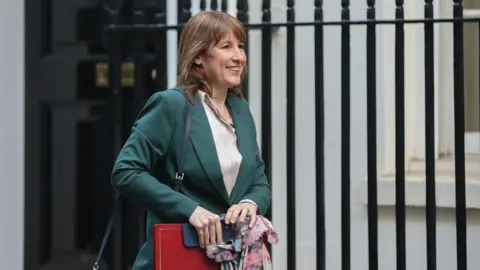
Chancellor Rachel Reeves has come under criticism for her public borrowing rules
The government's finances had a record monthly surplus in January as it took in more tax receipts than it spent.
The surplus - the difference between public spending and the tax take - was £30.4bn in January, according to the Office for National Statistics (ONS).
The ONS said it was the highest surplus in any month since records began in 1993, and nearly double last January's £15.4bn monthly surplus.
Analysts had expected the surplus to be £23.8bn. The government usually collects more tax than it spends in January compared with other months due to the collection of self-assessed taxes, but higher levels of capital gains tax payments to HMRC pushed the figure to a record.
Borrowing in the 10 months to January was £112.1bn - 11.5% lower than the same 10 month period a year ago - although the ONS noted that it was the fifth-highest borrowing for the period on record.
HM Treasury said borrowing for 2026 is forecast to be "the lowest since before the pandemic."
Chief Secretary to the Treasury, James Murray said: "We know there is more to do to stop one in every £10 the government spends going on debt interest, and we will more than halve borrowing by 2030-31 so that money can be spent on policing, schools and the NHS."
Separately, retail sales grew more than expected in January, according to official data.
The amount of goods bought rose by 1.8% in January, up from 0.4% in December, the ONS reported.
City economists had expected a rise of 0.2%.
The performance was boosted by strong demand for sports supplements and jewellery. Sales of artwork and antiques also did well.
"The big reduction in public borrowing and surge in retail sales in January support other evidence that the economy started the year looking a lot healthier," said Paul Dales, chief economist at Capital Economics.
He said it will give Chancellor Rachel Reeves "something positive to point to" in her Spring Statement on 3 March.
Dales added that Reeves' freeze on income tax thresholds took in an additional £3.6bn from a year ago, and a "£17bn surge" in capital gains tax receipts in January also buoyed the public finances.
The Treasury's freeze on income tax thresholds is dragging people in to paying higher tax rates as their incomes rise.
Another thing that helped the government's finances was that it spent less on interest payments on its debt, the ONS said - which offset higher costs on public service and benefits.
Taking a look at the whole year, Dales cautioned that the "that borrowing has failed to come down much", and that much of the success in retail sales came from transient boosts such as sports supplements - which would fall back as people fell off the new year health kick.
He suggested part of the boost in retail spending was not sustainable, especially as recent figures showed that wage growth had slowed, and unemployment had reached its highest in five years.