 3 months ago
94
3 months ago
94
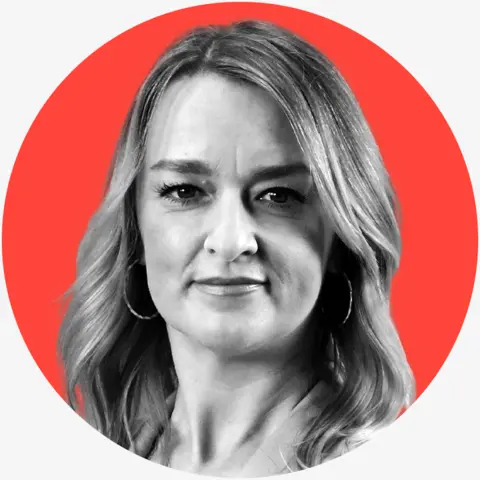
Laura KuenssbergSunday with Laura Kuenssberg
 BBC
BBC
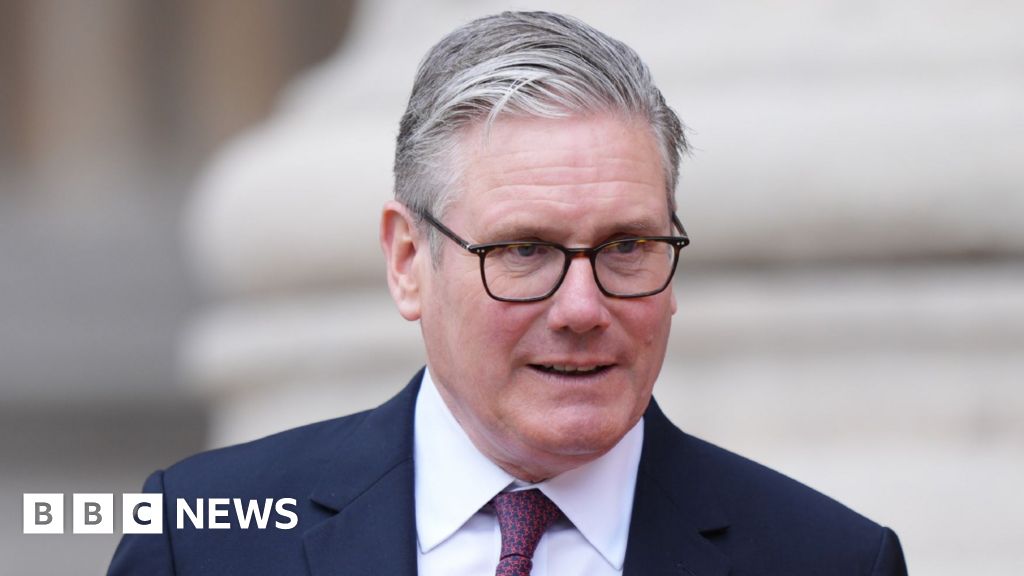
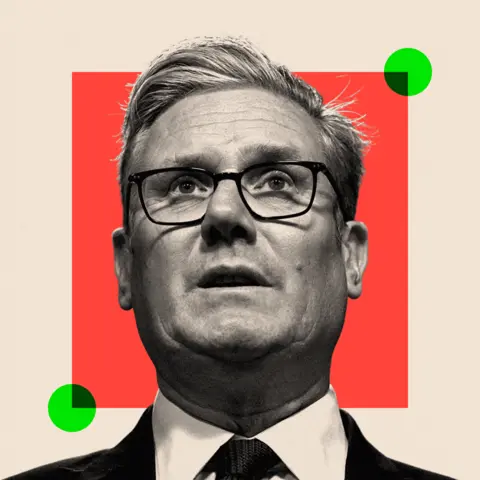
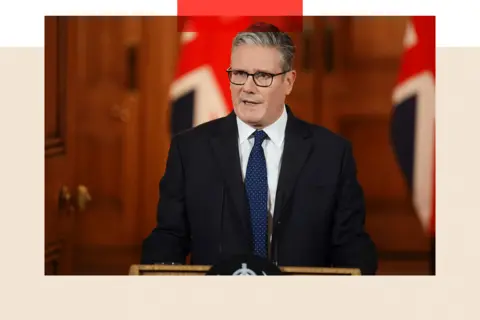
"I'll be sitting in this seat by 2027," Sir Keir Starmer told me, cracking a gag that if our conversation went well he would invite us into Downing Street to talk to us next year too.
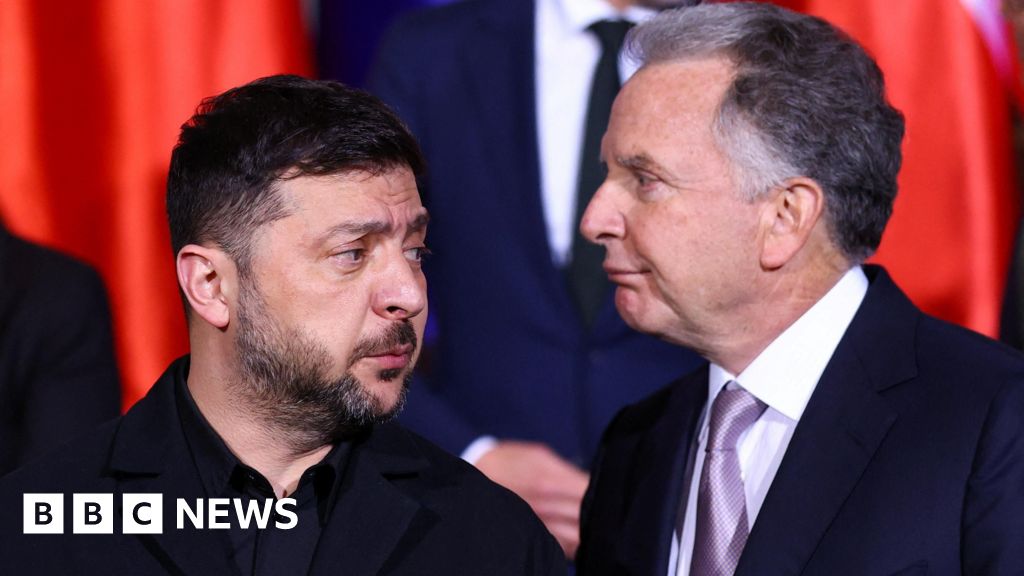
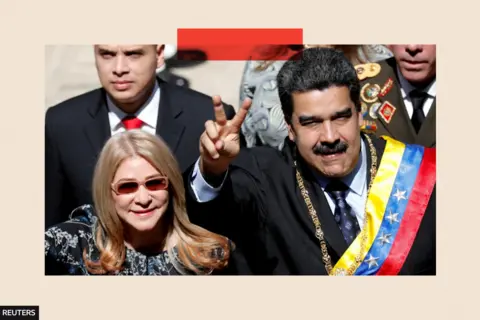
There is never truly time off for prime ministers. In the hour before we sat down to speak, Sir Keir had been on the phone to Ukraine's Volodymyr Zelensky, and trying to work out what on earth had happened in Venezuela where his big political chum, US President Donald Trump, had just attacked and captured its leader, Nicolás Maduro.
By the time our interview, which was much longer than normal, had finished, Maduro had been charged in New York.
But as the year starts, Sir Keir seems to have had something of a refresh, a reboot. Maybe even just a bit of a rest with the family at Chequers, the prime minister's country retreat.
That certainly appeared to have left him in better spirits than at the saggy end of 2025, a dreadful political year for him.
But are he and his allies kidding themselves if they reckon his fortunes are about to improve?
 Reuters
Venezuela's President Nicolás Maduro and First Lady Cilia Flores have been captured
The grisly truth for the prime minister is that many of his colleagues believe he's not very good at his job. Some of them would rather gamble and get him out this year.
But Sir Keir was having none of it when we spoke on Saturday morning.
On several occasions he told me he'd be "judged at the general election", insisting no one would take his five-year mandate from him - even if the best chance of stopping Nigel Farage and Reform UK getting to No 10 might be for Labour to switch leader.
"This is the fight of our times and I intend to lead us," he said.
 PA Media
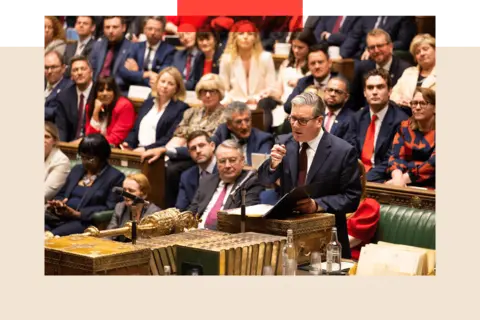
The problem for the prime minister is that he will be judged long before then – in a mega set of elections in May across the UK. He tried to protest, perhaps too much, that they are about who runs councils, and who runs the governments in Holyrood or Cardiff - and not about Westminster.
True - up to a point. But even though he may not want to admit it, No 10 will be judged by those elections too.
This did not stop Sir Keir suggesting that there were no circumstances under which he would walk away, even if one of his colleagues challenged him for the job, should those elections be disastrous for Labour.
 Reuters
He tried to explain his unpopularity by saying the public was understandably impatient for things to get better, trying to convince me, and you, that this year would be different.
The economy would improve despite rising unemployment, he said, when plans the government put in place during their first choppy year began to bear fruit.
He committed to close asylum hotels before the current deadline of 2029, although he wouldn't put a specific date on that.
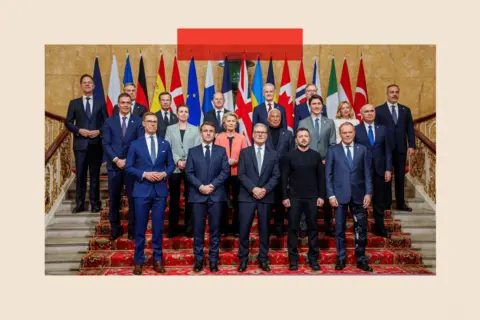
He said too, with the caveat that it wasn't a done deal, that a peace deal in Ukraine felt more likely now than at any point since Russia's full-scale invasion.
He revealed for the first time that Western allies were now talking about how to integrate US and European forces to provide security for Ukraine - to guard a potential peace.
His big message to you is that this year we will "turn the corner".
 Reuters
The prime minister may have spoken with more energy than I've seen from him for a while – more relaxed, perhaps, with more time to talk.
But despite facing calls from many directions for a bolder approach, with much more political direction, more vigour, more speed and more urgency, his arguments were familiar ones.
When he finds himself in this much political trouble, does he need a different script?
No government, and certainly not one that has been unpopular for many months, gets everything its own way.
Sir Keir's problems are not just because government is hard, but because he and his colleagues have made mistakes, even in the last few weeks.
 Reuters
The prime minister told me he regretted saying he was "delighted" to welcome back the Egyptian-British activist Alaa Abd El Fattah to the UK after an outcry when comments he'd previously made - including calls for Zionists and police to be killed - surfaced.
Sir Keir blamed "the system" for not realising what the activist had said before - a fancier way of saying not my fault.
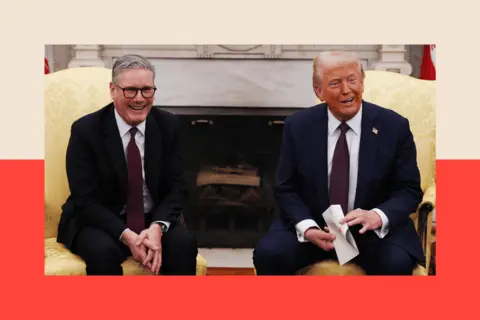
And he is courting obvious political risks as the year gets going. His friendship with the US president takes on a new jeopardy after Trump's strikes on Venezuela.
Having interviewed Sir Keir Starmer, a former human rights lawyer who opposed the war in Iraq remember, over the course of many years, the idea he would be comfortable with such action seems far-fetched.
 Getty Images
He told me he was a "lifelong advocate of international law" but we "simply haven't got the full picture at the moment".
Some demanded he condemn it before we spoke on Saturday morning. And the government is likely to face more pressure to give an explicit view in Parliament in the coming days.
And there has always been bubbling pressure in the Labour ranks to undo or remake some of the results of Brexit.
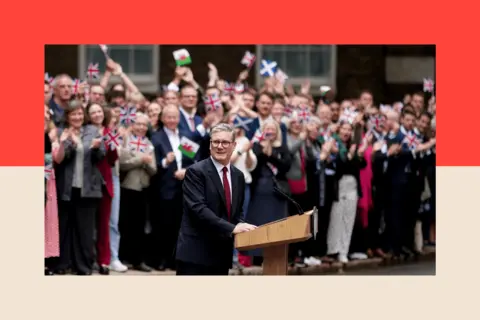
Sir Keir denies he's doing that, but his new more concrete commitment to align more closely with the single market - the giant economic European trading zone - will likely provoke howls that he is going back on his vow never to try to undo the decisions that flowed from Brexit.
A commitment to cosy up to more of the single market will please some on his own side, but it is easy fodder for Reform and the Conservatives to use to claim he's going back on his word.
 Getty Images
The prime minister was often criticised last year for being too downright gloomy.
Clearly he's trying to get away from that tone. But given the depth of his political problems, I wonder if his critics publicly, and even some of his allies privately, will think his attempts at optimism this weekend might seem somehow off-key.
Sir Keir is a careful politician. On brand, he said during our conversation: "There's always a caveat with me."
His supporters see that as a laudable steadiness. His detractors say it shows he lacks the cunning, quick instincts of the best politicians.
This weekend, the prime minister claims he'll survive the year, and that better times will soon arrive. The big, fat caveat to that? He can't guarantee that his party, and more importantly the public, will agree.
Top image: Getty Images

BBC InDepth is the home on the website and app for the best analysis, with fresh perspectives that challenge assumptions and deep reporting on the biggest issues of the day. You can now sign up for notifications that will alert you whenever an InDepth story is published - click here to find out how.