 3 months ago
104
3 months ago
104
Hazel ShearingEducation correspondent

 PA Media
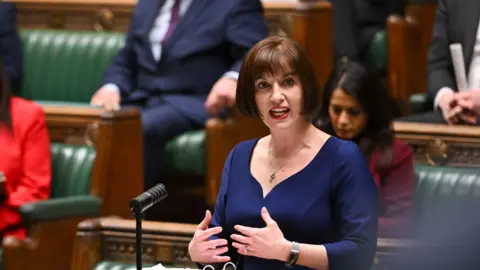
Education Secretary Bridget Phillipson has defended freezing the repayment threshold for student loans in England, saying graduates will only pay back £8 more a month on average.
She said ministers would look again at the issue, but added that "there are challenges across education and government and we can't fix everything at once".
Speaking to BBC Breakfast, she confirmed that the threshold at which graduates begin to repay their Plan 2 loans will increase as expected in April, before the freeze comes into effect next year.
It comes after some graduates told the BBC that student loan repayments linked to their income had led them to cut their work hours and slash their salaries.
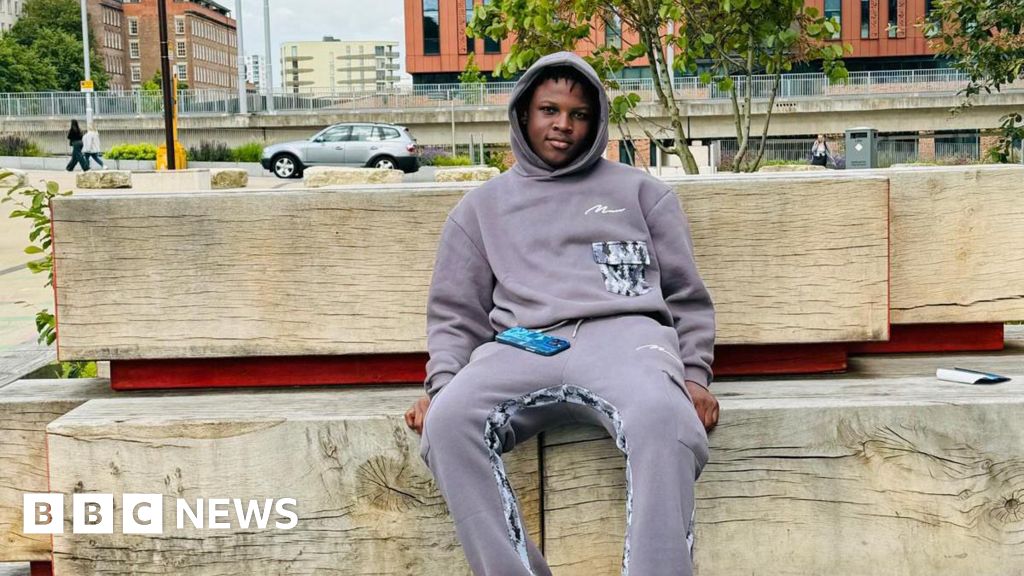
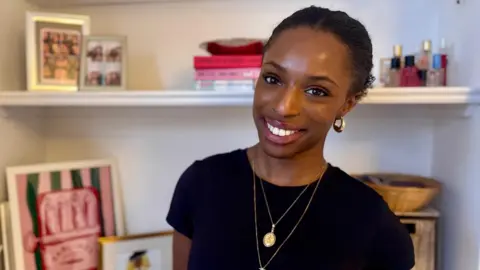
Tinuke Bamiro, 24, says money she makes from social media videos on top of her consulting job has pushed her into the higher-rate tax band, meaning she pays 40p in tax for every £1 she earns between £50,271 and £125,140.
With a Plan 2 student loan, she also pays 9p of every £1 she earns over the current repayment threshold, £28,470. That threshold will rise to £29,385 in April, then be frozen for three years, instead of increasing with inflation.
"The amount that I have to repay, especially on the income I make outside of my nine to five, is a lot," she says.
 BBC/Hazel Shearing
Tinuke says she would rather be saving for a deposit than overpaying her pension
There has been growing debate in recent months around Plan 2 student loans, which were issued to undergraduate students in England between September 2012 and July 2023 and are still issued in Wales.
Campaigners have called on the chancellor to reverse the planned threshold freezes. The government said it had made a "tough but fair" decision.
Plan 2 loans accrue interest from the day they are taken out, at a rate of 6.2% while you're studying. It rises later – in the April after your course ends in most cases - to the Retail Price Index (RPI) measure of inflation, plus up to 3%, depending on earnings.
Tinuke has started increasing her pension contributions to reduce the amount of her income that's subject to higher‑rate tax and student loan repayments.
"I think this is a good alternative in some ways, in that I get to keep more of the money I make as opposed to just never seeing it again," she said.
"But I also need a lot of the money now. I'm trying to save. I'd like to get on the property ladder and save for a deposit, and I can't do that if I'm putting all my money in a pension."
Tinuke borrowed around £75,000 for her economics and business finance degree at Brunel University. But, because of the Covid pandemic, she said the first two years of her degree were remote. She now owes nearly £90,000.
She said the university did a good job considering the circumstances, but added: "I definitely feel like my first two years were not worth what I paid."
Brunel University said the pandemic "was a challenging period for the whole country and throughout this time, our priority was to ensure students could continue their education and feel supported in doing so".
It added: "We maintained teaching and provided a range of wellbeing and financial support services including rent waivers, rent credits, rent-free periods and other initiatives to support our student community who were unable to use their rooms during parts of the academic year."
Another Plan 2 graduate, George Holmes, 27, has cut his hours at his finance job at a large aerospace company in Bristol to four days a week.
As a higher rate tax payer with a Plan 2 loan, he said the change costs him around £80 a week. But it saves him money elsewhere - he has time to redecorate his flat himself rather than paying someone else to do it.
"I took a step back and I sat down with my manager and said, 'Look, I think there are more productive things I can do to increase my income on a Friday by saving money,'" he said.
George is also part of the Rethink Repayment campaign, which is calling for interest on the loans to be capped at the lower Consumer Prices Index (CPI) measure of inflation, a lower repayment rate of 5%, and a reversal of the threshold freezes.
He says he is not alone in reducing his salary in order to keep a greater chunk of his income.
"Some people are trying to get around that through things like salary sacrifice or reducing hours. They're doing the maths and deciding is it worth me taking a promotion and extra stress and seeing my family less?"
The Liberal Democrats have called for an overhaul of the student finance system, to "reduce the burden on graduates struggling with the cost of living".
They are calling for some public sector workers, including nurses, police officers and teachers, to have a proportion of their debt written off after 10 years of public service.
The Conservative Party has said it would cut the rate of interest charged on Plan 2 student loans by capping it at RPI.
Shadow Education Secretary Laura Trott said the change would not mean any retrospective increase relief for Plan 2 student loans, but added: "We would ensure in the future that [the] interest rate was inflation only. Labour has made this situation worse, we would try and make it better."