 3 months ago
126
3 months ago
126
Daniela RelphSenior royal correspondent

 Getty Images
The MPs in the chamber did not hold back. This was new territory – hearing politicians openly criticising a member of the Royal Family in a parliamentary debate was striking.
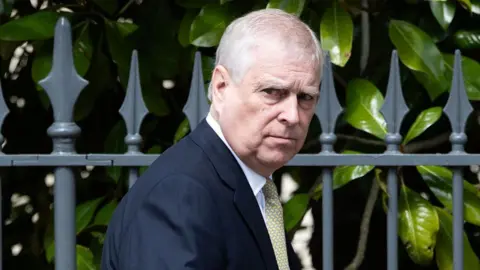
The language was stark. We heard Andrew Mountbatten-Windsor was "a rude, arrogant, entitled man who could not distinguish between the public interest, which he said he served, and his own private interest".
For Buckingham Palace, it may have been an uncomfortable watch at times.
MPs shared their personal experiences of meeting the former prince – all of them were resoundingly negative.
The debate, called by the Liberal Democrats to demand the release of documents relating to Andrew's 2001 appointment as UK trade envoy, took in privilege, deference, and holding power to account.
The talk was of building a culture of accountability and transparency.
MPs questioned Andrew's appointment and what oversight existed during his decade-long tenure, and if lessons had been learned following allegations he shared sensitive information with convicted sex offender Jeffrey Epstein.
Andrew has not responded to the BBC's requests for comment on specific allegations that have emerged after the US release of files in January related to Epstein. He has previously denied any wrongdoing in relation to the late financier.
The fact that this debate happened at all is in itself significant. It reflects the heat of the Andrew story and how conventions are shifting with the public mood.
Buckingham Palace will not be getting involved in the details of what we heard today, but their position remains the same. Their focus is on supporting the police investigation and they will not be saying anything that could impact the proper process of the law.
Erskine May, the guide to parliamentary procedure first published in 1844, says MPs should not put a question before Parliament which "casts reflections upon the sovereign or the Royal Family".
That has generally been treated more as guidance than an official ban on discussing or criticising the Royal Family in Parliament.
Decisions on royals being talked about in Parliament have been managed by the Speaker of the House, with a nod to convention and historical precedent.
Over the years, MPs have generally abided by that approach - sometimes grudgingly.
Today was perhaps the closest Parliament had come to removing those bandages.
The level of public interest and the mounting questions around Andrew's work as trade envoy made it worthy of parliamentary debate.
Several MPs said the public deserved clarity about the nature of his official role and how concerns, if raised at the time, were handled.
It was, of course, a debate with limitations due to the ongoing police investigation but even hearing the small number of MPs in the chamber openly discussing stories that had existed in the shadows for so long felt impactful.
Today was a reminder that public mood is moving fast and conventions must sometimes shift with it.
Liberal Democrat leader Ed Davey, who led the debate, called the Jeffrey Epstein associations with the British establishment a "stain" on the UK and said today's debate had been an opportunity to "clean away that stain with the disinfectant of transparency".