
Pamela MaldonadoDec 12, 2025, 07:08 AM ET
- Pamela Maldonado is a sports betting analyst for ESPN.
Rivalry games love to pretend they follow their own rules, but this matchup between Army and Navy feels ready to break formation.
Every season gives us a familiar script, yet something about this game hints that the usual path might not hold. Before you assume another predictable finish, it's worth looking at what actually drives the numbers underneath.
This year has a different engine.

 Army at Navy -6
Saturday, Dec. 13, 3 p.m., CBS
Records: Army 6-5, 0-0 vs. AP teams; Navy 9-2, 1-1 vs. AP teams
Opening Line: Navy -4.5, O/U 38.5
Money line: Army (+200); Navy (-245)
Over/Under: 37.5 (O -118, U -102)
Army: Built to control without the tools to create it
Army football's entire identity depends on being efficient but their data expose a team that operates with fragility. At 4.8 yards per play, every drive is a puzzle that requires multiple correct moves in a row. There's no short cut, no explosive theta to bail them out, no quick score hiding in the back pocket. That's why Army has reached the end zone just 35 times all season, one of the lowest totals in the country. The Black Knights can move the ball, but turning movement into points is where it falls apart.
The run defense ranks 121st in the FBS with the second-least efficient pass rush in college -- just 14 sacks generated all season. That combo means opponents operate pretty comfortably. If you face Army football, you're walking down the field one clean gain at a time.
Army needs long, uninterrupted drives to survive and a defense that can stall the opponent long enough to buy those drives time. Although, what Army actually gets is bogged down on offense and offers little resistance on defense. When the game tilts, even slightly, Army has no lever to pull to change its direction.
Navy: The one service academy offense that breaks games open
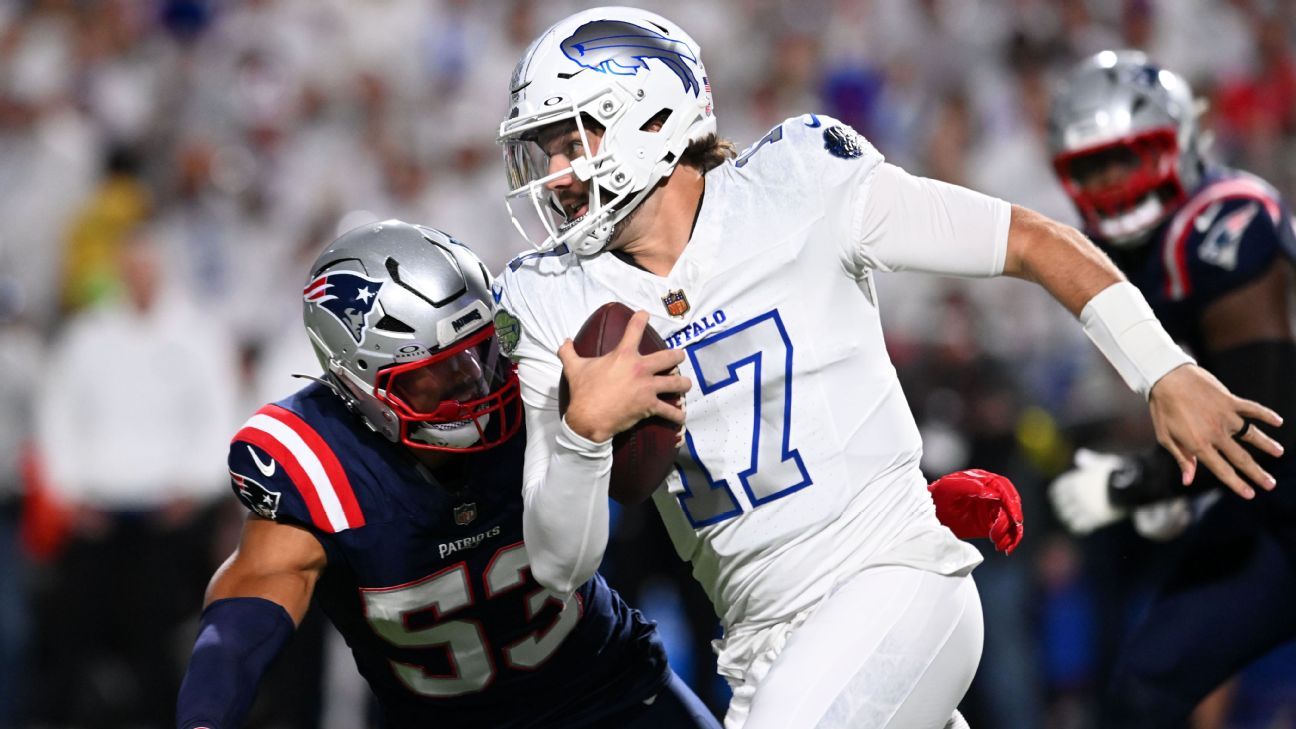
Navy finished the regular season 9-2 because its offense finally evolved into something that can punish defenses instead of politely negotiating with them. The Midshipmen are in the top 10 in yards per play, living in the part of the field Army hasn't been able to reach: the explosive zone. Every drive with Navy has a real scoring threat; as they are in the top 40 in touchdowns scored, and doing so running fewer plays. That's efficiency, intent and a team that doesn't need perfection to produce.
The run game is the engine, but it's no longer the old 'grind-it-out' version, it hits in chunks. Multiple backs over five yards per carry, a QB in Blake Horvath pushing 10.6 yards per pass attempt acting as a hammer when a safety steps wrong and a scheme built to stretch you. Navy is actually forcing defense to defend the whole field.
This is Navy's edge, creating opportunities. The Midshipmen can break structure, flip field position and finish drives. In a rivalry defined by patience, Navy is the one team built to end the waiting.
Betting consideration: Navy -6 vs. Army
Historically, you think competitive and low scoring. This is not that year. You can pull every 13-10 box score from the past decade and it still doesn't describe what Navy is right now. The gap is mathematical. Navy has a profile that scales, success that is built on repeatable traits.
Let's start with scoring quality. Navy produces one touchdown every 9.5 plays. Army needs almost 14. That difference decides spreads more than anything else. It shows who can turn a decent drive into points and who stalls before it matters.
Navy also creates separation through drive density, meaning they've reached scoring range 48 times this season while Army just 35. That is 13 more real chances to put pressure on the scoreboard. Army can't close that gap with its style. Navy doesn't need to rely on squeezing the clock because the Midshipmen generate enough successful early downs to increase total scoring opportunities, and that's something Army has no mechanism to disrupt.
Hidden yards also helps. Navy gets a large share of its yards in chunks of ten or more. Army needs multiple small gains to get anywhere, and often runs out of room before finishing the drive.
Navy -6 is aligned with how these teams actually generate points. At 37.5, the over is also enticing because Navy can stack scoring drives without needing high volume, while Army's defensive profile gives up enough explosive gains that potentially allows Navy to cover the total on its own. I'll lay the points with Navy.