 3 months ago
94
3 months ago
94
Ian Youngs,Culture reporterand David Sillito,Media correspondent

 BBC
BBC
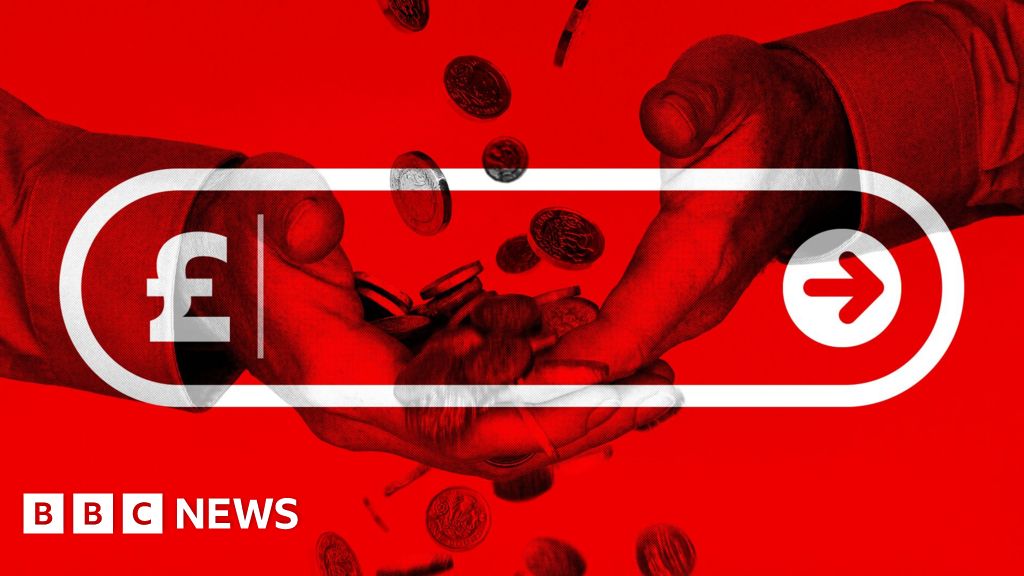
The BBC has suggested the cost of the TV licence fee could be cut, in return for getting more people to pay the annual charge.
The corporation made the suggestion as part of its response to the government's publication of the green paper, which explores options for the BBC's future.
The number of households paying the licence fee has gone into significant decline in recent years and the BBC said its funding model is in need of reform.
The corporation noted 94% of adults use its services each week - but the number of households paying the licence fee has dropped to 80% - with the downward trend set to continue.
The corporation confirmed it will have to cut spending by another £500m over the next two years because of its falling income and rising costs.
The BBC said reducing the licence fee would be a bold move - but an option worth exploring in return for finding a way of getting more people to pay.
Rules over who has to pay the licence fee are felt to be confusing and outdated, as the requirement to pay is tied to consumption of live television.
But the BBC is leaving the government to decide quite how the licence fee should be reformed.
Director general Tim Davie said: "The choice here is clear: back the BBC or watch it decline. The status quo is not an option.
"Clear decisions are needed to ensure the BBC is funded sustainably and fairly so it can continue to deliver, both for audiences and for the country."
The corporation is also asking the government to take on the full £400m cost of the BBC World Service - a bill that used to be paid in full by government until 2014, when it transferred the responsibility to the BBC.
Other suggestions the BBC has made include opening up the iPlayer and BBC Sounds services to advertising-funded programmes from ITV, Channel Four and other broadcasters, as a way to help protect British content.
The BBC is also arguing that the fact its charter expires every 10 years means its existence is constantly under threat. It wants that system to be dropped so the organisation can be put on a more permanent footing.
Changes to BBC board selection
The BBC has also suggested changes to the process of appointing people to its board, following concerns about the risk of political interference.
Five members of the broadcaster's 14-strong board, including the chairman, are currently appointed by the government, but ministers are considering whether to change that as part of a wider review of the BBC.
The BBC said all board appointments should follow "a new, clearly defined, transparent and broadly consistent process".
The appointments and influence of board members came to the fore after the BBC's director general and head of news resigned last November, with some suggesting there had been a "politically motivated coup".
That was dismissed as "ridiculous" by Sir Robbie Gibb, a former Downing Street communications director who was appointed by the Conservative government to the BBC board, and whose influence was the focus of the scrutiny late last year.
Questions about the BBC's independence were also previously raised when former Conservative donor Richard Sharp, who was once ex-PM Rishi Sunak's boss, was named BBC chair in 2021. Sharp resigned two years after a report found he broke rules over dealings with Boris Johnson ahead of his appointment
The BBC told the government there is "a risk around the perception of independence".
The government is currently considering the future of the BBC and how to change to its royal charter - the set of terms that define how it operates.
Last year, the BBC said 91% of people who responded to a major questionnaire said it was important for the BBC to be independent from the government of the day.
"When it comes to independence, perceptions matter as much as reality, and the audience has spoken," a BBC source said.
"This charter must find ways to reassert the BBC's editorial, creative and operational independence, so the BBC can continue to be a universally-supported, trusted, unifying force.
"At the same time, we want to keep modernising the BBC and find new ways to open up our thinking, plans and decision making to our audience, so they are more involved and play a greater role in the BBC of the future."
In December, the government published its green paper about options for the BBC's future, which said ministers would "consider the right make-up of the board to support independence and accountability".
"This could include whether there should be a change to the government's role in appointing board members, while also maintaining the BBC's independence in appointing the director general and other existing board members," it said.
The government is also considering questions about the BBC's funding, accountability, decision-making and charter length.
It will also suggest scrapping a defined time period for each royal charter; using "citizen assemblies" to help make decisions; and change its complaints procedures.
Additional reporting by Steven McIntosh.