 3 weeks ago
83
3 weeks ago
83
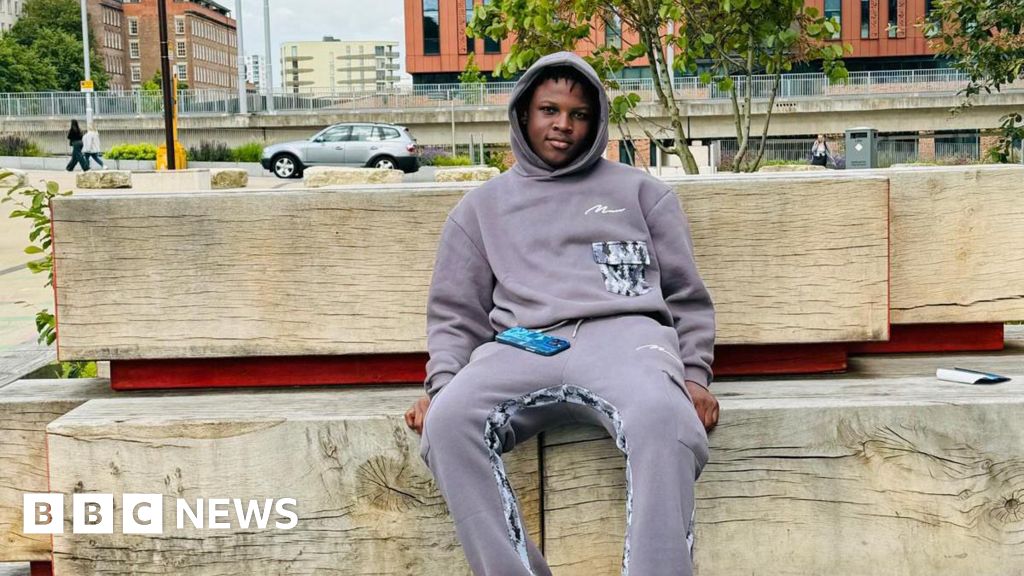
There was another reason this row had such a high profile. Jason Arday was a celebrity academic known as much for the remarkable life story he told, of an autistic child who didn't speak until 11, or learn to read and write until 18.
Other aspects of his personal narrative came under scrutiny, and he had to clarify that £5m raised for charity had been as part of a group effort, and that a 600 mile running challenge had taken twice as long as originally claimed.
Some who had signed a public letter of support quietly removed their names.
By the time he resigned his Cambridge position last week Jason Arday said the "relentless accusations" had taken a "profound toll" on him and his family. He suggested they had been racially motivated.
There are many unanswered questions which a coroner will no doubt be expected to consider about his circumstances and state of mind in the days before his death.
In the immediate aftermath of his death, his family said Jason Arday had been subjected to a "campaign of misinformation" that was too much for this "gentle man".
Others think that he attracted so much scrutiny because he was a black man in a prominent position.
Sir Sadiq Khan, the mayor of London, said Jason Arday had been "the victim of a pernicious public shaming that other people in his position simply wouldn't have faced. His death was a tragedy, but once again it should be a wake up call for all of us."
There has been deep unease among some academics of colour who feel the ferocity of the debate was due to Jason Arday being a young black academic.
Professor of Black Studies Kehinde Andrews, a friend of Arday, told Newsnight in the wake of his death: "This is not just something that has happened in the past two weeks, we've seen the stories, this goes back three and a half years.
"The very day he got the position at Cambridge he had a Freedom of Information request asking about his credentials. He had all the right-wing people in America and the UK writing in to see if he was credible.
"Some people didn't believe a black man should be in that position at Cambridge.
"It's been a three-and-a-half-year toll which has come its head now."
What is certain is that Jason Arday had sought to defend his reputation, using a high-profile firm of lawyers to send a letter to a journalist from Times Higher Education who first questioned his work.
The University of Cambridge initially robustly defended Jason Arday then announced an investigation into his appointment and tenure amid growing disquiet.
In 2023, as an elite university which had been criticised for a lack of diversity, Cambridge had been keen to make some high-profile non-white appointments. It had already made a huge effort to ensure admission of students was more diverse.
Whoever was appointed into such a high profile post would have faced scrutiny and Jason Arday had a slighter research track record than some others in the field.
Dr Jo Grady, general secretary of the University and College Union, described Jason Arday's death as "devastating".
"There are so many questions that need to be answered. The level of harassment he suffered and the racism he was subjected to, has been sickening. It must be investigated."
For the University of Cambridge now there will be the difficult task of holding together an academic community divided and shocked by the controversy and now the death of Jason Arday.
It had announced an investigation into his appointment and tenure at the university and a review of how senior staff are chosen.
Now all of that has been overtaken by his sudden and shocking death.