 2 months ago
97
2 months ago
97
Joshua NevettPolitical reporter

 PA Media
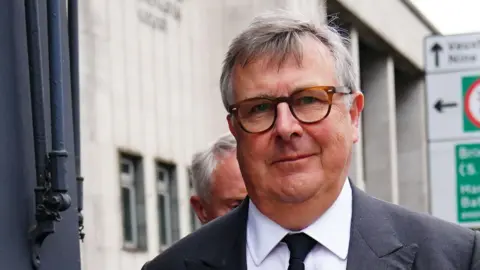
The Duke of Norfolk is set to lose his hereditary seat in the House of Lords
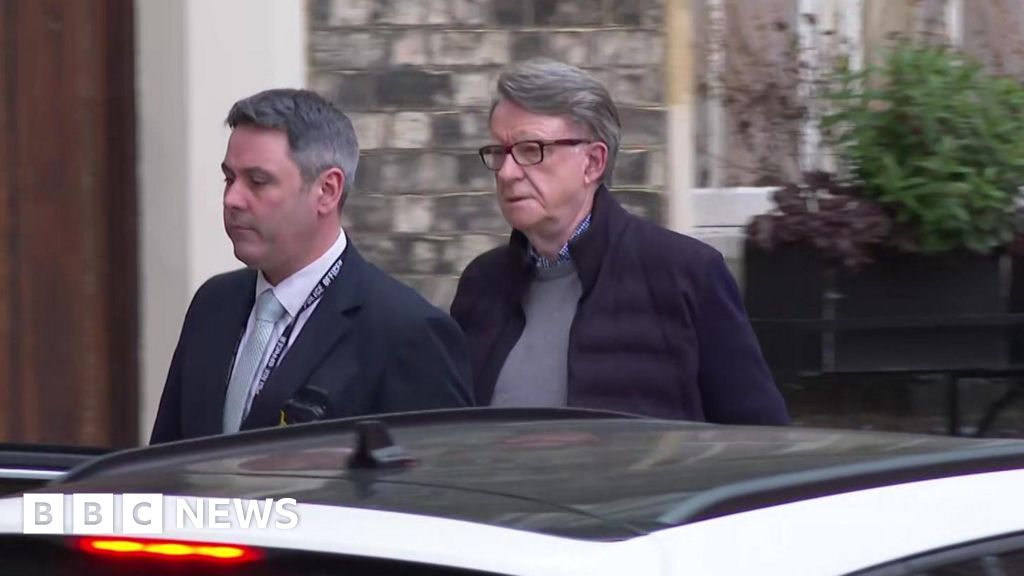
Two hereditary peers who are set to be removed from the House of Lords will be allowed to keep their parliamentary passes and ceremonial positions.
The Duke of Norfolk, Edward Fitzalan-Howard, and Lord Carrington won the concession after raising concerns privately about the need to keep their role in organising state occasions.
The pair hold the inherited royal titles of Earl Marshal and Lord Great Chamberlain respectively, with responsibility for organising events involving the monarch in the Palace of Westminster.
They will retain these roles when they lose the right to sit in the Lords along with dozens of other hereditary peers, under the Labour government's reforms of the upper house.
The two royal officeholders put their concerns to Labour's leader in the Lords, Baroness Smith, when the law that scrapped hereditary peers was in its early stages about a year ago.
Ultimately both were given assurances that they would be able to carry on their ceremonial roles in events such as the state opening of Parliament, which is happening in May.
A Buckingham Palace spokesperson said: "The ceremonial roles of the Earl Marshal and the Lord Great Chamberlain, as great officers of state, are preserved, and they will continue to undertake their ceremonial function in the House of Lords."
A House of Lords spokesperson said: "It is expected that access will be facilitated for the Lord Great Chamberlain and Earl Marshal to continue to fulfil their ceremonial duties within Parliament after the House of Lords (Hereditary Peers) Bill comes into force."
The BBC understands the Duke of Norfolk accepts the will of Parliament to get rid of hereditary peers but believes it's right the ceremonial roles should continue.
A spokesperson for Lord Carrington said: "The position of Lord Carrington as Lord Great Chamberlain of England is unaffected by the passage of the Hereditary Peers Bill with the exception that he will no longer be able to speak in the chamber nor vote."
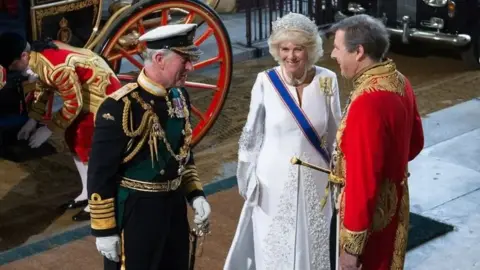 Getty Images
The Duke of Norfolk was with the Prince of Wales and Duchess of Cornwall at the State Opening of Parliament in 2015
Republic, a pressure group campaigning for the abolition of the monarchy, said the two royal offices should be "cast off and Parliament moved into the 21st century".
"These positions are a nonsense, yet they confer status and access to two men who have done nothing but be born into the right families," said Graham Smith, the CEO of Republic.
"Parliament belongs to the British people, it should reflect the British people, our interests, values and culture. Not some facsimile of medieval pageantry that hasn't played a serious role for centuries."
But Lord Roberts, a historian, has argued the Earl Marshal and the Lord Great Chamberlain should be allowed to keep their hereditary seats in the Lords.
In a debate, Lord Roberts said "these two noble Lords undertake totally different roles on behalf of the Crown and state from any other of the hereditary peers".
"The point about the Earl Marshal and the Lord Great Chamberlain is that they are both dignified and efficient," Lord Roberts said.
"To spare them from the exigencies of the bill should be done on the grounds that membership of this House would allow them to maintain more easily the contacts that help them perform their duties."
The role of Earl Marshal dates from medieval times and has responsibility for arranging state ceremonies, including coronations, state funerals and the state opening of Parliament.
It has been held by hereditary right by the Howard family since 1672 and the current holder is Edward Fitzalan-Howard, the 18th Duke of Norfolk, who inherited the position from his father in June 2002.
The Lord Great Chamberlain controls the parts of the Palace of Westminster reserved for the monarchy and manages the royal family's interests in Parliament.
The role was first created in the 12th century and Lord Carrington - the son of a former Conservative cabinet minister - has held the office since King Charles ascended to the throne in 2022.
Lord Carrington became a hereditary member of the Lords in 2018, after winning a by-election to replace a retired peer.
The Earl Marshal and the Lord Great Chamberlain were exempted from the removal of most hereditary peers under the previous Labour government's reforms in 1999, allowing them to keep their right to sit and vote in the Lords.
The remaining 92 hereditary seats in the Lords will be abolished at the end of the parliamentary session, expected in April or May.