 2 months ago
116
2 months ago
116
 Image source, Jackson Bylett
Jackson Bylett lives in an eighth-floor flat in east London with his partner and their five-month-old baby
ByMeghan OwenLondon work and money correspondent and Lauren StanleyReporting fromLondon
"I don't think we'd make a decision to have another child whilst we're still living in London in this flat.
"It's no way to raise a child when you're in constant fear at the consequences of them sleeping in an unsafe environment."
Jackson Bylett lives in an "unbearably hot" eighth-floor new-build flat in Newham, east London, with his partner and their five-month-old baby.
The temperature inside has topped 31C. The NHS recommends, external babies should sleep in temperatures of 16-20C.
Bylett says he and his wife spent a long time talking about having a child, but explains that "naively we didn't have much of a conversation about how climate change would impact that and how hotter summers are going to impact how we parent".
As leaseholders, they don't have permission to make any external changes to the building despite the fact the flat is designed with floor-to-ceiling windows.
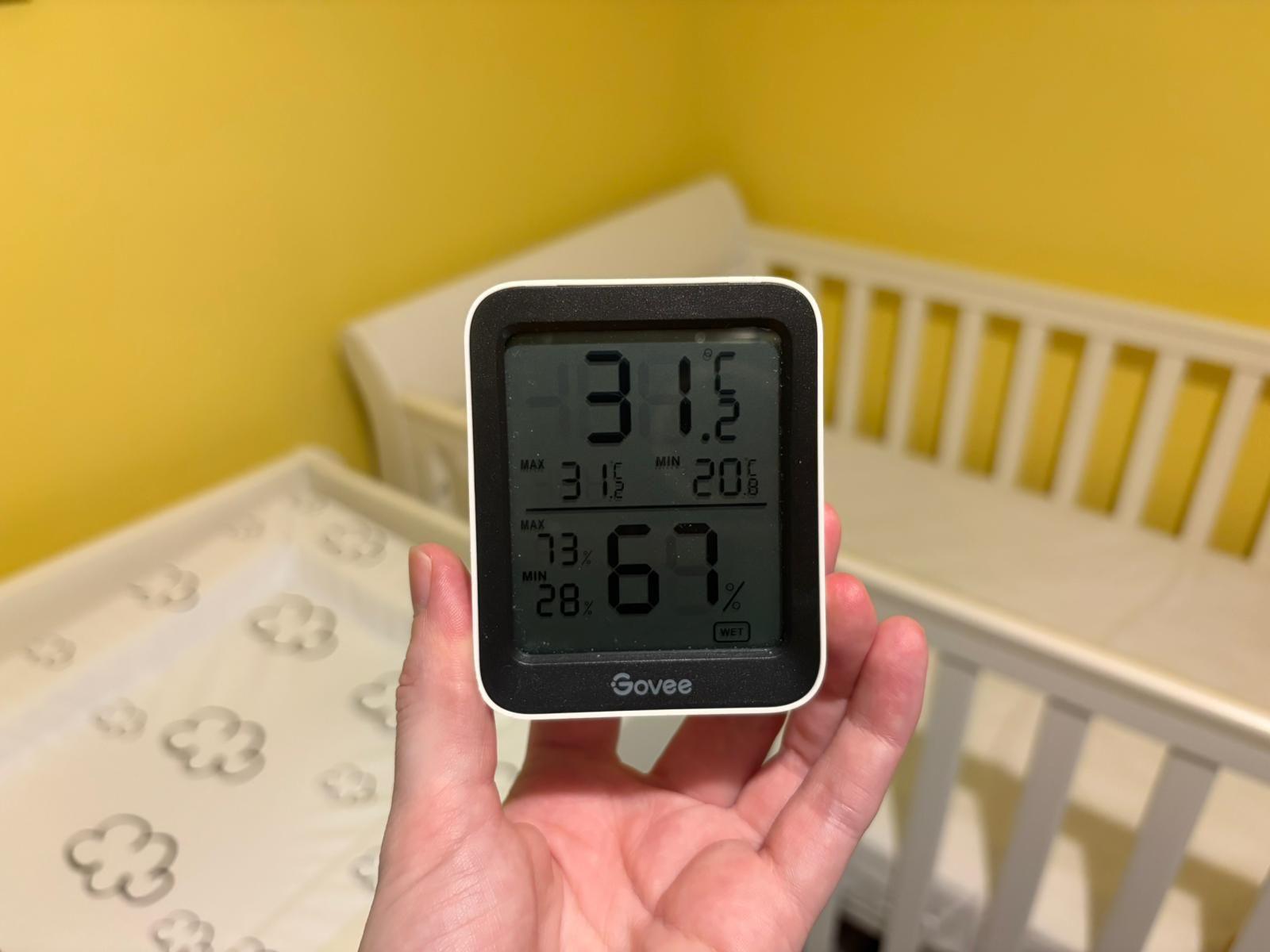 Image source, Jackson Bylett
Bylett recorded a temperature of 31.2C in his baby's room on Tuesday
Bylett and his wife have had to make changes, including cooking all their meals in advance of heatwaves to avoid using hot appliances in high temperatures and avoiding putting the washing machine on.
"It's really difficult knowing this year may be the coolest summer our daughter may ever experience," he says.
"All the information online is telling you how dangerous it is for babies to overheat and how they can't control their own body temperature... and we're sat in our flat as the heat rises and there is nothing we can do about it."
The family are not alone in their struggles.
The National Housing Federation (NHF), the trade body for housing associations, warns more must be done to adapt homes to extreme heat and to better protect babies and young children, says it's becoming "impossible" for parents to ensure their homes are comfortable.
New analysis of government data, external by the NHF and the Chartered Institute of Housing (CIH) suggests more than 70,000 babies in England - about one in six - are living in homes that get uncomfortably hot, and 1.59 million children overall.
Alistair Smythe, director of policy and research at the NHF, said extreme heat "is having a serious impact on family life".
The organisations highlight the health risks for children under five, particularly babies, who are less able to regulate their body temperature and manage dehydration. Overheating can increase the risk of sudden infant death syndrome, with parents advised to keep rooms between 16 and 20C.
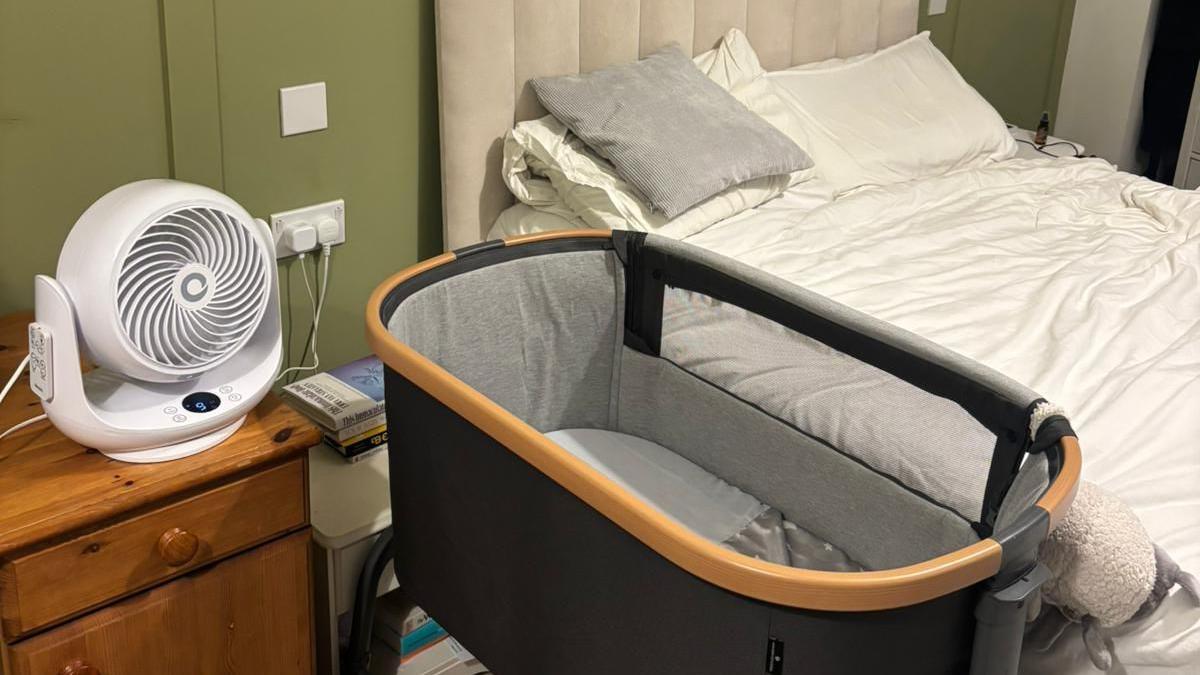 Image source, Jackson Bylett
The family are struggling to keep the temperature bearable
Separate polling of 1,592 parents, commissioned by the NHF, found seven in 10 said an overheated home disrupted their children's sleep, while almost half (49%) said it affected their children's ability to concentrate.
Smythe said England's housing stock was largely built for a cooler climate. "The challenge used to be keeping heat in," he explains. "Now it's about keeping heat out."
In the short term, he recommends measures such as keeping curtains and blinds closed during the day, staying hydrated and using reflective window film to reduce heat levels indoors.
Longer term, he said the UK needed a more strategic approach, including collecting better data, targeted retrofitting of existing homes and learning from hotter countries through measures such as external shutters and reflective exterior paint.
"Ultimately, we're looking for government funding to help deliver those measures," he added.
Gavin Smart, chief executive of the CIH, said: "The ambition shown in the government's Warm Homes Plan , externalis a necessary first step in the right direction, and we also need to think carefully about whether the 1.5 million homes we aim to build in this Parliament will cope with the hotter temperatures we will increasingly see in the future.
"CIH believes that we need to strengthen building regulations around overheating and start to consider policies that will support people with the energy costs of keeping cool during future heatwaves."
A government spokesperson said: "Babies and young children are more vulnerable to the effects of heat and guidance, external is available on how to help keep your home cool.
"New residential buildings must now be designed to minimise unwanted heat from the sun and to allow windows to be open when it is cooler outside than inside to remove excess heat.
"We are also extending the Boiler Upgrade Scheme grants for air-to-air heat pumps, which can cool as well as heat homes, so these low-cost options are more accessible."
Additional reporting by Jonathan Fagg from BBC England Data Unit
Listen to the best of BBC Radio London on Sounds and follow BBC London on Facebook, external, X, external and Instagram, external. Send your story ideas to [email protected], external

Get in touch
Tell us your experience of living in a hot home