 1 month ago
100
1 month ago
100

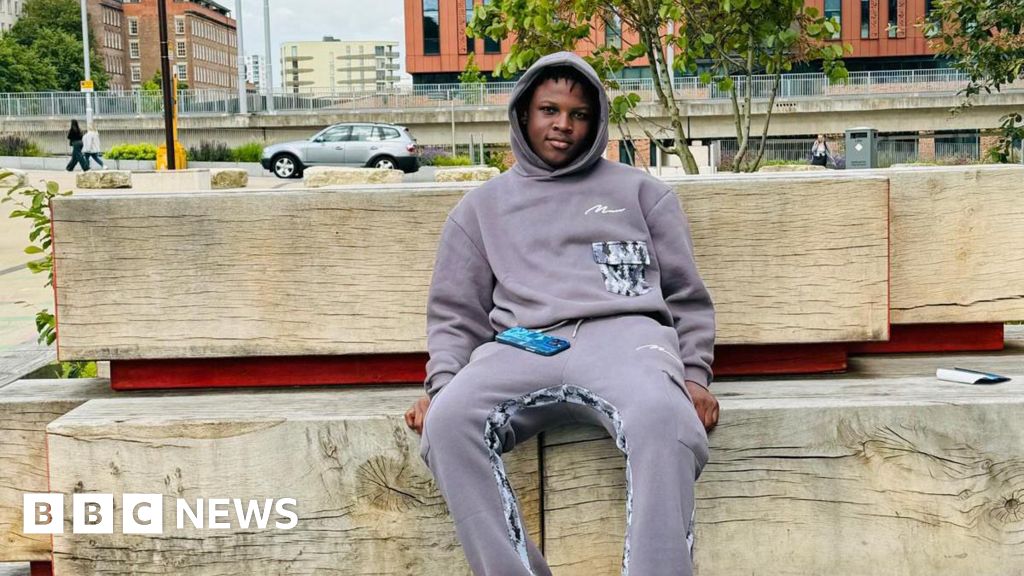
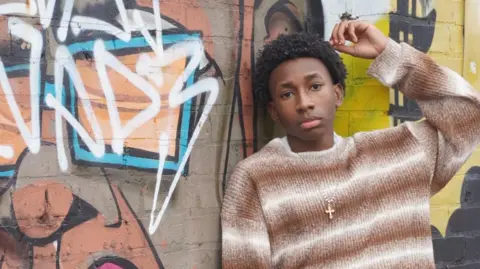 Ziame Stewart
Budding singer and dancer Ziame worries the policy could bury a generation of creative talent
Ziame Stewart can barely remember a time he was not performing for social media.
The 15-year-old has always loved singing and dancing, and says he has been filming "silly little videos" almost his whole life.
He started by making videos for friends and family when he lived abroad as a young child, but his hobby gradually grew into a passion and now potentially a future career.
Had Ziame been born a few years earlier, his career might have been in trouble before it even began thanks to the UK's new policy banning under-16s from social media.
Although he will be turning 16 just before the new rules come into effect next spring, the budding singer and dancer is still frustrated. He thinks the policy could bury a generation of creative talent.
He points to hugely successful artists such as Justin Bieber and Billie Eilish, and his own personal inspiration, British rising star Sekou, who were all discovered on social media as teenagers.
"Imagine if this ban was put through ages ago - we wouldn't have any of this music," he tells the BBC.
Every day, Ziame posts covers of popular hits, snippets of his own original music, and dance videos set to trending tracks on social media. He's convinced that promoting his work, connecting with fans and selling tickets to his shows would be a Herculean task without the platforms.
"I would not be doing what I'm doing now."
While people like Ziame worry the ban could have unintended consequences, proponents insist it is necessary to protect children from harmful content, addictive algorithms, online predators and cyberbullying.
Revealing the plans on Monday, Prime Minister Sir Keir Starmer said: "I am not prepared to compromise on the safety and happiness of our children, and that is why this ban must happen."
He said the policy would give children more time, security and freedom to grow up.
Additional restrictions for older children, aged 16 and 17, are in the works too, with more details to be announced next month.
The UK government is joining Australia - where similar world‑leading laws came into force in December - in arguing that tech giants have had plenty of time to make their platforms safer but have failed to do so.
Many teens see where parents and policymakers are coming from.
Harry Sawtell – a beauty influencer who has more than 100,000 followers on his social media accounts – knows first-hand how cruel social media can be.
His feeds are full of upbeat "get ready with me" videos, posts unpacking shopping hauls, and clips in which he talks about his life as a gay teen.
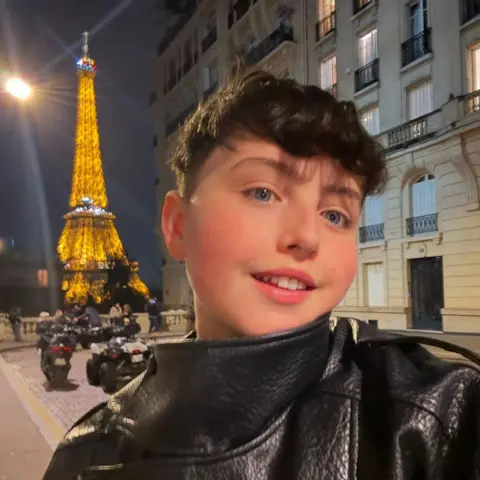 Harry Sawtell
Harry Sawtell, a beauty influencer, says he knows how cruel social media can be
"I came out as gay at quite an early age," he says. "I feel like a lot of people can be horrible about that or the fact I'm a bit flamboyant…
"You can receive a lot of backlash and hate for being yourself."
On the flip side, he says that connections made through social media can be critical for vulnerable teens.
"I've definitely had some people message me before saying that I've helped them come out and be able to express themselves."
Harry, 16, says his community – including his parents who work for BBC local radio – have always been supportive, but social media gives him the opportunity to see people like him living happy, fulfilling lives.
"That can obviously help make you feel like you have got a bright future," he says.
Fashion-obsessed 14-year-old Miley Williams also feels like social media has helped her become more comfortable in her own skin.
She tells the BBC she has conflicting feelings about the ban coming to the UK. "I'm a bit 50/50."
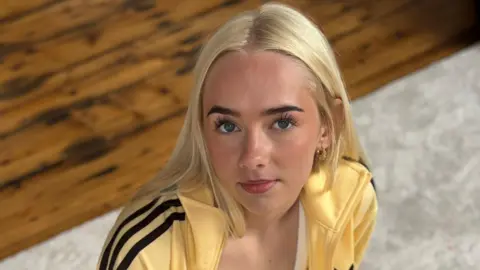 Miley Williams
Miley Williams says she feels conflicted about the ban
For her, social media isn't just a hobby - it's a job.
After building a following from a viral video three years ago, she now earns a modest income of about £400 a month. She's also got brand deals and receives free gifts, while her dance videos, short skits and outfit try-ons bring in cash too.
Even if she can get around the ban, most of her followers are under 16. She fears she'll be out of work and her future in the influencing industry will be undermined – as well as her ability to support herself through university.
However, Miley admits she does occasionally feel uneasy about social media.
Her account is heavily monitored by her parents who shield her from the worst of the online world, but she knows strangers send her inappropriate messages. Once in a while, fans even track her down and follow her around in real life.
Sometimes Miley also worries about the consumerist and addictive nature of these platforms. Doom-scrolling and the pressures around posting can take the fun out of social media, she feels. "It can get a little bit too much at times."
But ultimately, she says social media has changed her life for the better.
And her mum, Victoria, says she's frustrated that decisions around social media use are being taken out of parents' hands.
Though she shares the concerns of many people pushing for the ban, she believes strict parenting can overcome those concerns.
Inappropriate comments or messages are filtered out and cyber bullies are blocked. "If they're not nice, they get deleted," she says.
What about sneaky scrolling after bed time? It doesn't happen in her household. "We take it off her at night time… because I know for a fact she'll get her phone back out."
And life does not pass Miley by because she's glued to a screen, Victoria stresses, running through a weekly schedule which includes boxing, cheerleading, daily studies, dedicated family time and outings with friends, along with content creation.
"She's still a normal child in my eyes."
With social media companies the only ones legally responsible for keeping teens off their platforms, Victoria says she'll probably help Miley skirt the ban – confident in her own strict rules. "I've got to let her follow her dream."
Ziame's mum told the BBC she feels similarly: "I wouldn't be for the ban for him... that's [his] passion."
She also feels the UK doesn't offer enough to children to replace the loss of social media – something raised by proponents of the ban too.
"Australia, you've got beaches, the weather's nice and there's things to do outside. I think for the UK kids, social media is a huge outlet, although there are dangers attached to it."
Many teens say they would've liked to see the government commit to forcing tech companies to clean up the online world rather than excluding them from it: it feels like ministers are punishing the wrong people.
Ziame says people his age have been misunderstood and their opinions disrespected by policymakers.
"Social media is a massive, massive part of my life," he says. "I know it's coming off like I'm in a relationship with social media," he jokes, "but I don't think I could live without [it]."
What would he say to the prime minister if he could make him listen?
"I think you should put yourself in our shoes."