 2 months ago
64
2 months ago
64
Laura CressTechnology reporter
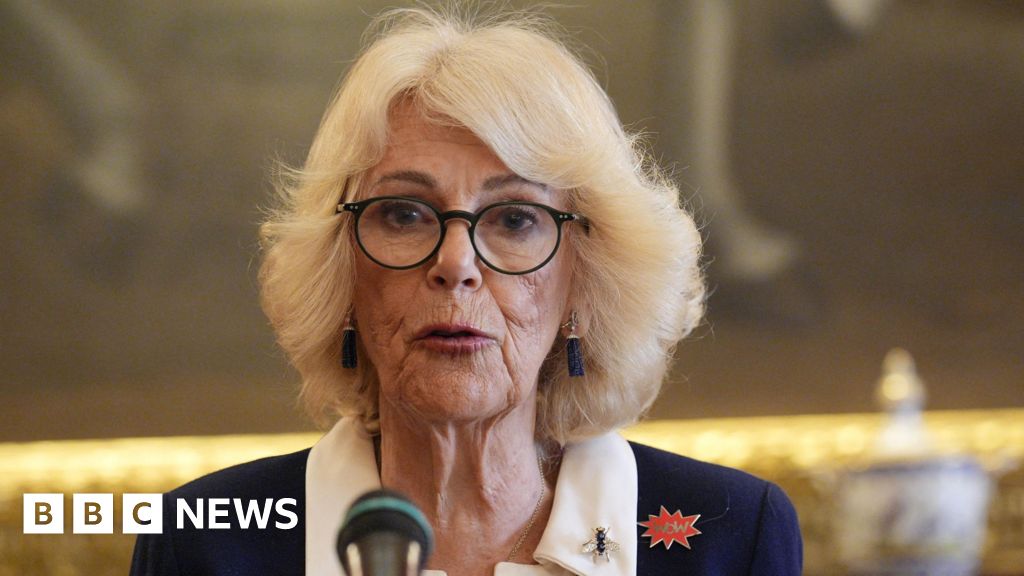
Parents should lead by example this Christmas and turn their phones off during family time, the children's commissioner for England has said.
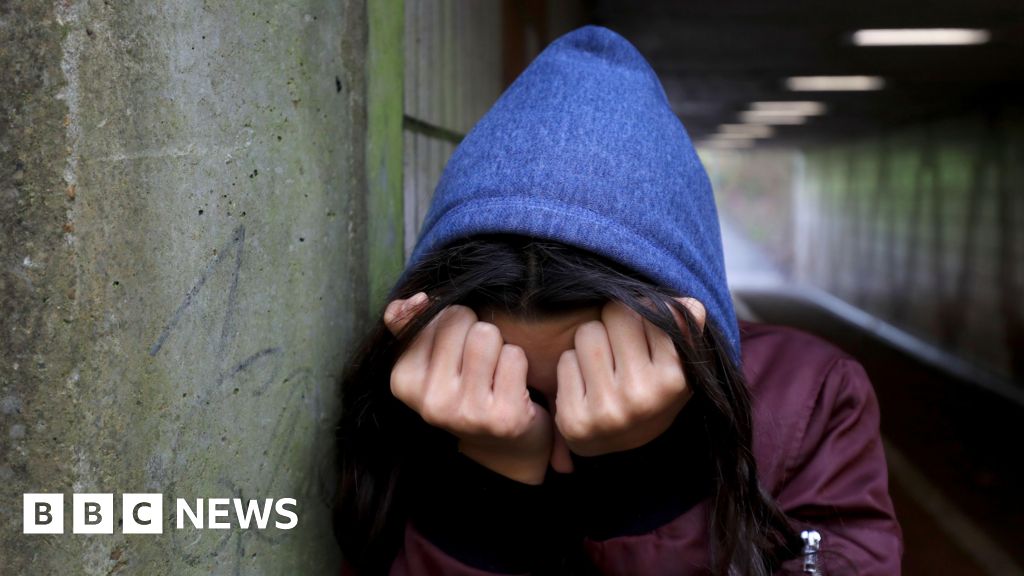
Dame Rachel de Souza told the Press Association children were "crying out" for engagement with their relatives over the festive break, and urged them to have "phone-free time".
Nearly half of parents with children aged 18 or younger plan to allow phones at the Christmas dinner table this year, according to a recent survey.
"I can't tell you how many children tell me about sitting at dinner and the parents are on the phone," Dame Rachel said. "So this Christmas, let's turn them off."
Research by More in Common for Yondr found nearly four in 10 adults say smartphones have disrupted their Christmas in some way.
The children's commissioner said while she had been guilty of using her phone at meal times in the past, setting clear guidelines for everyone, not just children, was key.
"We have to lead as adults," Dame Rachel said. "We can't talk about banning for the kids if we're not doing it ourselves."
Her comments came as she launched a new guide offering tips for children's safety online and how to set boundaries for screen time.
Pete Etchells, psychology professor at Bath Spa University, told BBC News Christmas is a good time to lean into conversations with children about developing healthy relationships with tech.
"It's not about feeling guilty or ashamed of our tech use, but noticing it more," he said.
"And striking up conversations about what we're happy with, and what we would like to be doing differently."
The new guide by the commissioner, available online, has been released to support parents who "may feel overwhelmed" by "mixed messages" around online safety, and is informed by child focus groups.
In it, parents can find "practical tips" and "conversation starters" on how to talk around topics such as managing screen time, dealing with negative online experiences, and the use of artificial intelligence (AI).
Teenagers aged 13 to 18 told Dame Rachel they accepted bad things can happen online, feeling it was an inevitable part of the online world.
They also shared how they had been contacted by strangers, seen pornography, and were aware of intimate images of their peers being shared.
Dame Rachel said it was essential for parents to "talk early and talk often" with their children about their presence online.
Arabella Skinner from Health Professionals for Safer Screens told BBC News simple rules can make a difference.
She suggested creating a family plan around device use, or designing a box to store mobiles during meals.
"Children feel most secure and content when they have our full attention, eye contact, and presence," she said.
"It is so important that we, as adults, spend time with our children and not always looking at screens."
A report published by the regulator Ofcom earlier this month highlighted concerns children had over the negative impacts of endless screentime and "brain rot".
It found that children aged between eight and 14 are spending an average of nearly three hours online each day, and that up to a quarter of that time was between 2100 and 0500.