 3 months ago
77
3 months ago
77
Harry FarleyPolitical correspondent

 Reuters
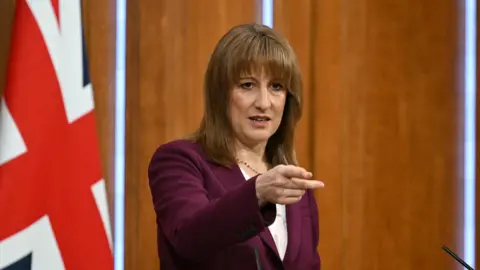
Downing Street has denied Rachel Reeves misled the public about the state of the public finances in the run-up to this week's Budget.
The chancellor had repeatedly suggested a downgrade to the UK's predicted economic productivity would make it hard to meet her spending rules.
But in a letter to MPs, the chairman of the Office for Budget Responsibility (OBR) revealed she was on course to meet them, albeit with less room than last year.
The Conservatives have accused Reeves of giving an overly pessimistic impression of the public finances as a "smokescreen" to raise taxes.
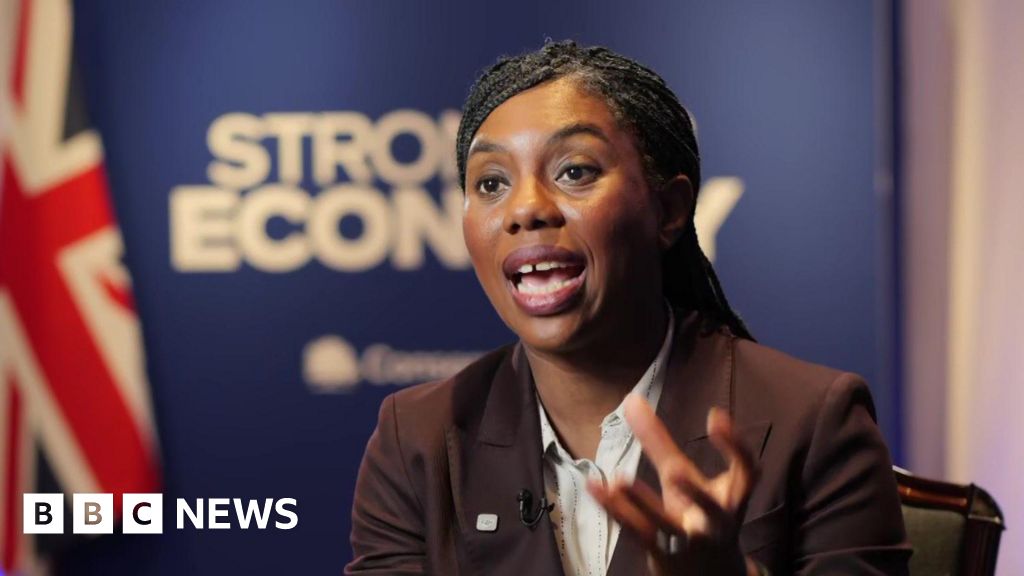
Tory leader Kemi Badenoch said the letter showed Reeves had "lied to the public" and should be sacked.
The weeks leading up to the Budget were dominated by speculation the chancellor would increase the rates of income tax, breaking a Labour manifesto pledge.
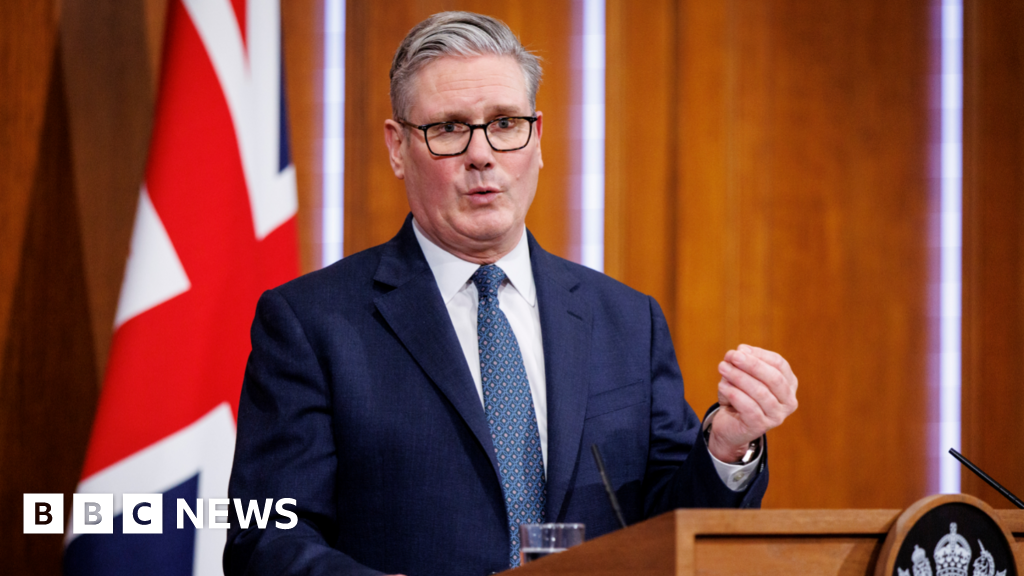
On 4 November, Reeves used a rare pre-Budget speech in Downing Street to warn the UK's productivity was weaker "than previously thought" and that "has consequences for the public finances too, in lower tax receipts."
Then, on 10 November, she told BBC Radio 5 Live: "It would, of course be possible to stick with the manifesto commitments, but that would require things like deep cuts in capital spending."
These comments, along with her speech, fuelled speculation she needed to raise significant sums to meet her fiscal rules.
However, the Office for Budget Responsibility has now confirmed that although it did indeed downgrade productivity, it also predicted this would be "offset" by higher wages increasing the government's tax revenues.
That meant she had a surplus to meet both of her fiscal rules.
In a letter to the Commons Treasury select committee, OBR chairman Richard Hughes revealed that he told the chancellor on 17 September that the public finances were in better shape than widely thought.
The letter also reveals that on the 31 October the OBR told the Treasury it was on course to meet its main rule of not borrowing for day-to-day spending, albeit by £4.2bn, less than the £9.9bn in "headroom" she had left herself last year.
But Reeves continued to indicate that she was likely to increase income tax rates.
In her Downing Street press conference, she said: "It is already clear that the productivity performance…is weaker than previously thought."
She added: "What I want people to understand ahead of that Budget, is the circumstances we face."
In the end, Reeves backed away from hiking income tax rates, although her Budget still contained £26bn of tax rises, including by freezing income tax thresholds for a further three years, dragging more people into higher tax bands over time.
Conservative shadow chancellor Sir Mel Stride said that while Reeves had repeatedly talked about the productivity downgrade, she had "failed to mention" the offsetting effect of higher wages on the forecast.
He added: "It was all a smokescreen. Labour knew all along that they did not need to raise taxes and break their promises.
"It appears the country was deliberately misled to try to explain away Labour's decision to spend billions more on welfare."
Asked whether Reeves had misled the public and the financial markets, the PM's spokesperson said: "I don't accept that."
He added: "As she [Reeves] set out in the speech that she gave here (Downing Street), she talked about the challenges the country was facing and she set out her decisions incredibly clearly at the Budget."
He added the government had increased the headroom for the Treasury to meet the fiscal rules, which would creates "certainty and stability for business".