 3 months ago
137
3 months ago
137
24 minutes ago
Jeremy BowenInternational editor

 Getty Images
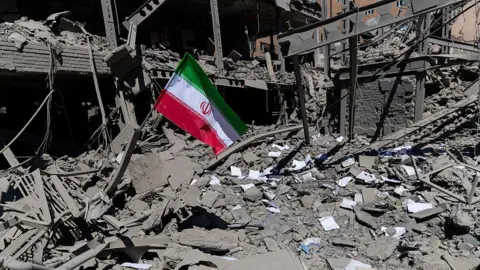
In a day, Donald Trump went from threatening that Iran's civilisation "will die tonight" to declaring that Iran's ten-point plan was a "workable" basis for negotiation in Pakistan.
The ceasefire, first and foremost, is a respite for all those civilians across the Middle East who have been under fire since the United States and Israel went to war against Iran on 28 February.
They do not include the people of Lebanon. After insisting that the ceasefire did not apply to Lebanon, Israel launched a huge and deadly wave of air strikes.
The respite elsewhere might not last long. Both Iran and the US have strong reasons to end the war. But their publicly declared positions are way apart. Two weeks lie ahead to attempt to make a deal between two sides that do not trust each.
The US Vice-President J.D. Vance, described the ceasefire as a "fragile truce". That is a realistic assessment.
Less realistic claims are coming from both sides, as simultaneously they claim victory.
The US Defense Secretary Pete Hegseth told journalists at the Pentagon, it was a "capital V military victory" for the United States, "historic and overwhelming".
"The world's leading state sponsor of terrorism proved utterly incapable of defending itself, its people or its territory," he said.
Equally bombastic claims are coming from Tehran, where the regime is also claiming an overwhelming victory.
Iran's First Vice President Mohammed Reza Aref, said on social media that "the world has welcomed a new centre of power, and the era of Iran has begun".
Trump's supporters say that the undeniably serious destruction inflicted on Iran by the US and Israel forced it to negotiate. The president's supporters say his statements were decisive negotiating tactics. His threats included acts that sounded very much as if they could have amounted to war crimes and crimes against humanity.
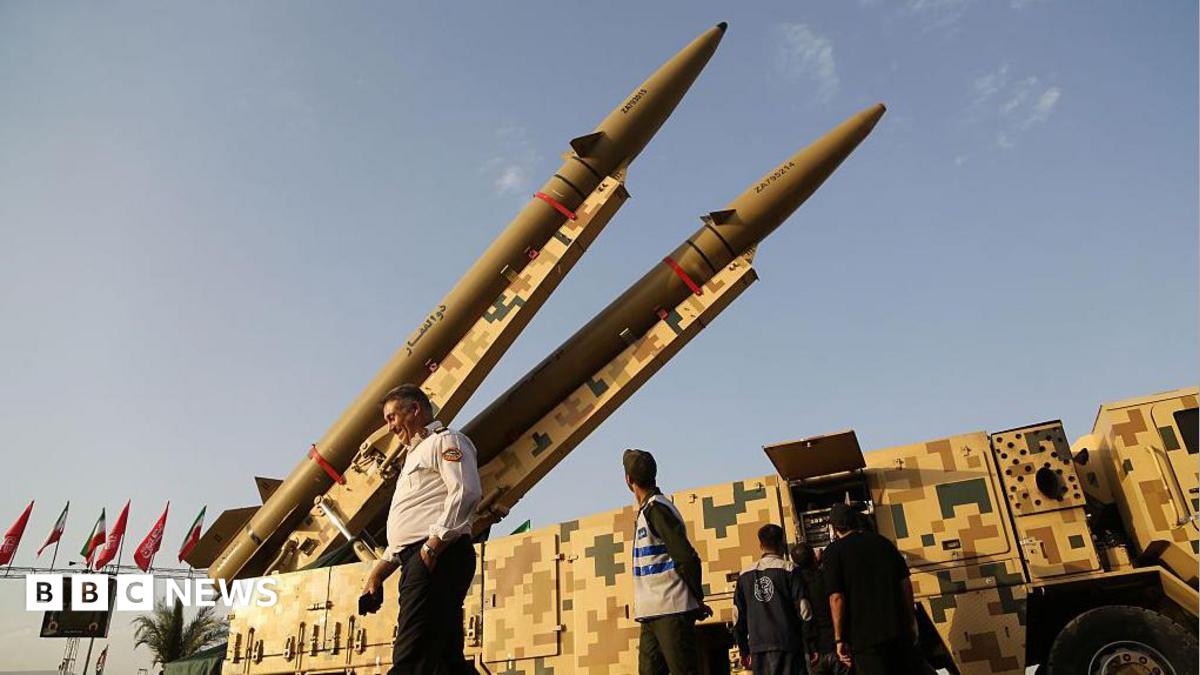
The Iranians believe that the regime's resilience and resistance to US and Israeli power, the fact that they can still fire ballistic missiles and drones and control the Strait of Hormuz, has forced America to negotiate on the basis of their ten-point plan.
It contains points that would be as hard for the Americans to accept as it would be for Iran to accept US positions.
They include recognition of Iran's military control of the Strait of Hormuz, a demand for reparations, the lifting of sanctions and the release of frozen assets.
Whether or not the Pakistanis can broker a lasting deal when the two sides travel to Islamabad, the war and its consequences are reshaping the Middle East.
When they ordered the attack on Iran, both President Trump and Prime Minister Netanyahu said regime change in Iran was coming. It has not happened, despite the president's attempt to frame the killing of senior Iranian leaders as the advent of a new regime.
Opponents of the Iranian regime inside the country who were hoping that it would fall will not be reassured by the way the war might be ending.
A regime that the US and Israel said would fall is now going to be a full partner in negotiations. Iran will be looking to strengthen its position. Only a few weeks ago Trump was demanding the regime's unconditional surrender.
It is not at all clear how the Islamabad talks will differ from the Geneva talks that seemed to be making progress when the US and Israel renewed their war on Iran.
In Geneva, they were discussing a new deal on the nuclear file, including the fate of Iran's stockpile of enriched uranium that could be used to make a nuclear weapon.
Another factor will be as high on the agenda in Islamabad – the Strait of Hormuz. It has become a new source of deterrence for Iran. If the US and Israel go back to war, Iran has shown it can easily block it, causing global economic damage.
Before 28 February international shipping could transit the strait freely.
Now Iran says that during the ceasefire it will once again allow ships to use the Strait, as long as their movements are coordinated with the Iranian military. It will want that arrangement to continue, and may also demand tolls from shippers, of the kind they pay to transit the Suez Canal.
Israel was not part of the diplomacy that led to the ceasefire. Netanyahu wanted to do more damage to the Islamic Republic. In an election year in Israel his political opponents, including the leader of opposition Yair Lapid have accused him of compromising Israel's security. They are alarmed by the possibility that their tactical victories over Iran will not add up to a strategic advance.
China played a role in the run up to the ceasefire, which implies that it will also have a strong influence in the Islamabad talks. That will further strengthen its influence in the Middle East.
Trump's language will also have consequences. It has damaged relations with allies, especially in NATO. It will be hard for British politicians to forget his abuse of Sir Keir Starmer and ridicule of the Royal Navy.
Gulf Arab states will not break with the US, but they will reassess their security relationships with America.
And the sight and sound of a US president embracing threats of acts that could amount to war crimes - including a potentially genocidal attack on an entire civilisation - has raised profound and alarming questions around the world about Trump's attitude to law and morality.