 3 months ago
122
3 months ago
122
1 hour ago
Michael BuchananSocial affairs correspondent

 BBC
BBC
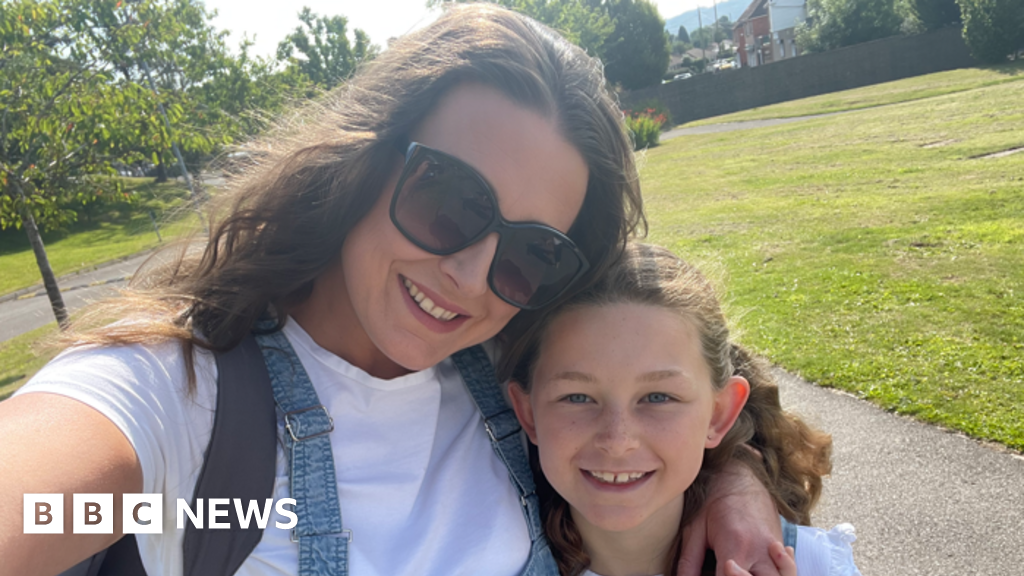
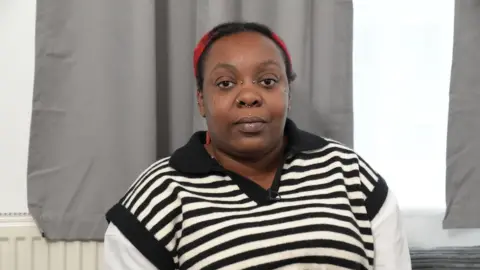
Victoria roamed London's streets for three years
"When people used to see me, they didn't believe I was homeless," Victoria says. She did not look like a rough sleeper and did not drink or take drugs. "So it was hard for people to believe that I was actually homeless."
For three years, she roamed London's streets, often around King's Cross railway station. Mental health problems contributed to her homelessness, but being on the streets exacerbated them.
"I wasn't sleeping because I had lots of luggage and King's Cross is bad for thieves," the 31-year-old says. "If I tried to sleep in the toilets, the staff would come banging on the door, telling me to get out. It was hard."
Passing herself off as just another passenger meant it was harder to spot Victoria's homelessness. But the station's busyness and its security cameras gave her a greater sense of security, as did the constant presence of staff and police officers.
A new survey suggests there are more women like Victoria in England than ever before. A women's rough sleeping census carried out by two charities - Solace Women's Aid and the Single Homeless Project - found that 1,406 women had slept rough in the previous three months.
Where the numbers were able to be compared to official government data, the census found 10 times as many female rough sleepers.
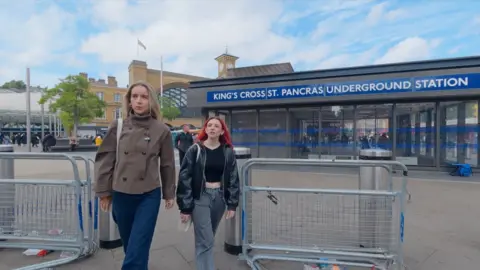
Homeless outreach workers Eabha and Elise
Patrolling King's Cross and the surrounding streets, homeless outreach workers Eabha and Elise say they find women in unexpected places.
"They can be really tucked away in parks, behind the bushes," says Elise.
Eabha adds that overnight, some women might be on night buses or trains.
"Places like A&E can be quite popular spots, just sitting there and hopefully not be moved on," she says.
At times, when Victoria's homelessness became more obvious, the consequences could be severe.
"I had people vomit next to me or peeing next to me," she says. "And the minute a man knows you are homeless, it's like 'let me take advantage'. Men were harassing me, they'd just put their hands around me, touch me."
The census, which was carried out over a week in September 2025, uncovered the women by working with all 33 London councils and 68 others across England, amounting to a third of all local authorities.
While the official government snapshot for autumn 2025 found 733 women were rough sleeping on a single night across England, the charities' research found almost double that number had slept rough in the previous three months in the boroughs they patrolled.
The census total includes 162 female rough sleepers in six local authority areas where the official data recorded none.
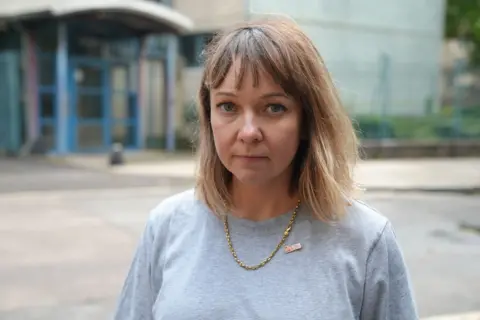
Lucy Campbell from the Single Homeless Project
"As a woman rough sleeper, you're far, far less likely to be discovered rough sleeping and that's your route into services, into support, into accommodation," says Lucy Campbell from the Single Homeless Project.
"What follows is that it's actually much more difficult for women to get services and get support."
The charities say that two thirds of the women recorded in the census would not have been captured using the government's method of counting rough sleepers.
The official statistics are essentially the number of people sleeping or about to bed down in the open air or in buildings not designated for habitation, such as car parks, on a single night.
By including a broader range of places and using the insights of local councils, the charities believe they have devised a more accurate picture of female rough sleeping.
"We have said time and again, that services do not meet the needs of women, but systems are yet to change," says Rebecca Goshawk from Solace Women's Aid.
"Domestic abuse is the primary cause of women's rough sleeping, making support in this area essential to the government's promise to halve violence against women and girls within the next decade. Decision-makers need to take action to fulfil their promises on women's safety."
The government has pledged to halve long-term rough sleeping in England by the end of the Parliament. The charities behind this survey argue that the aim can't be achieved if ministers don't know the extent of the problem and want the definition of rough sleeping to be amended to reflect women's experiences.
Homelessness Minister Alison McGovern told the BBC: "No one should have to endure rough sleeping, and as this census outlines, women can have different experiences and needs."
She added the government was "working with councils to support women into suitable accommodation and investing £3.6 billion to end homelessness for good".