
Myron MedcalfJan 20, 2026, 10:07 PM ET
- Myron Medcalf covers college basketball for ESPN.com. He joined ESPN in 2011.
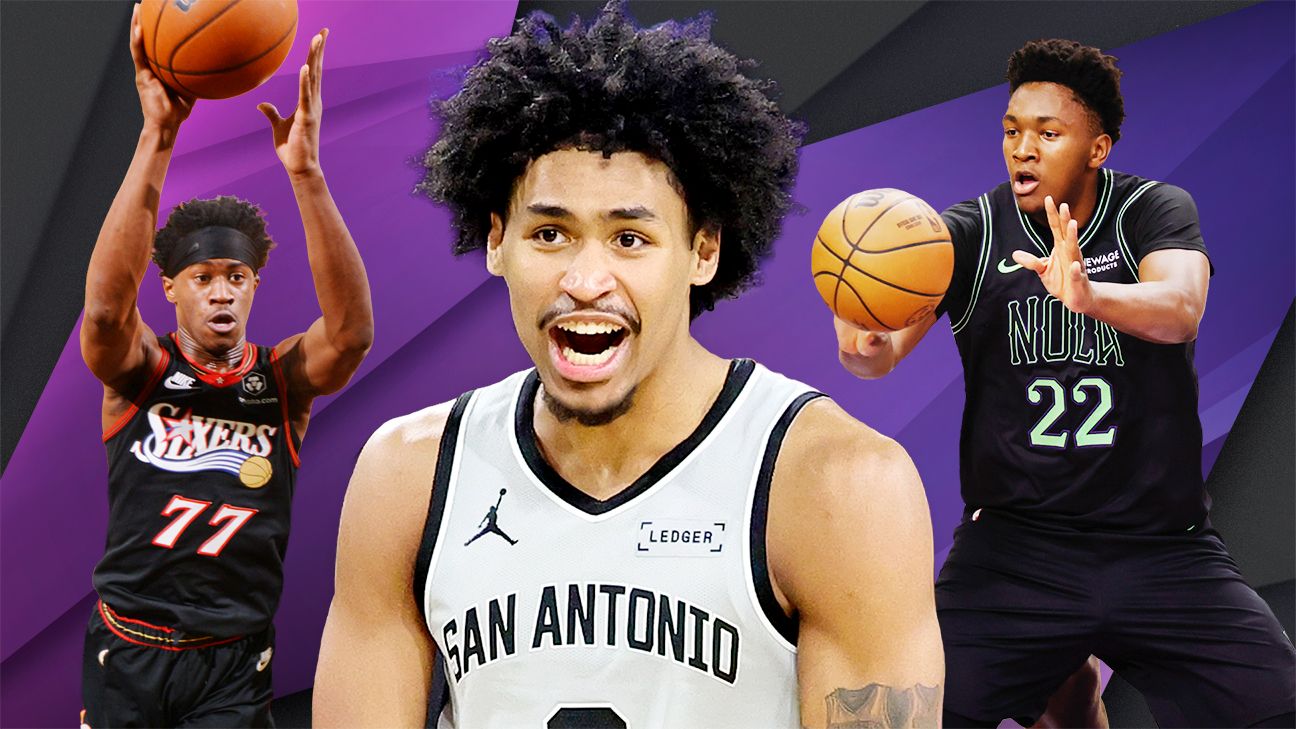
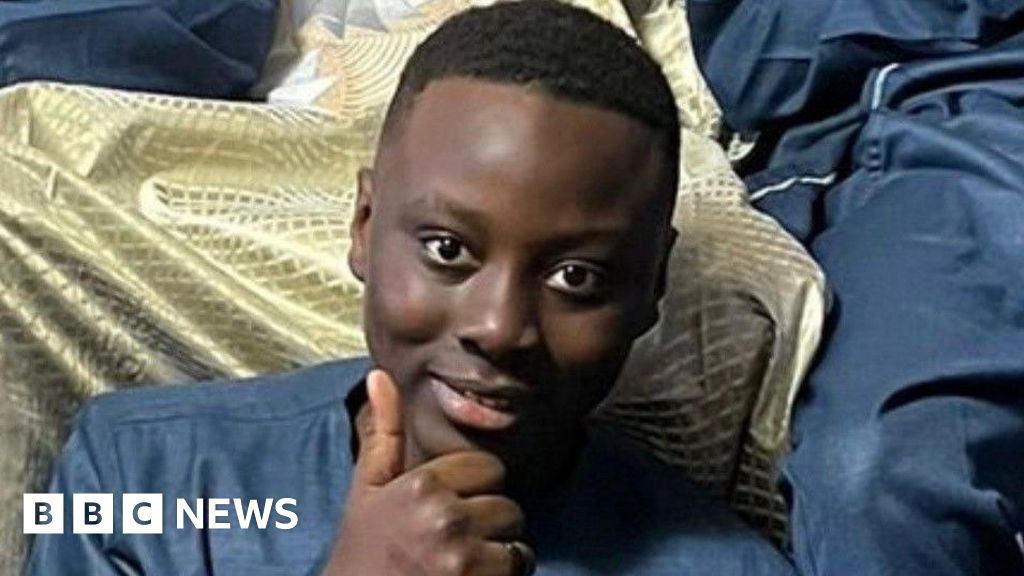
Former Alabama standout Charles Bediako, who entered the 2023 NBA draft and played in the G League this season, has sued the NCAA to gain immediate reinstatement to join the Crimson Tide for the rest of the 2025-26 season, after the school's appeal for his eligibility was denied.
Bediako's complaint, which was filed in Tuscaloosa Circuit Court on Tuesday, cites multiple G League players who have recently been cleared by the NCAA and Baylor center James Nnaji, who was the 31st pick in the 2023 NBA draft. Nnaji never signed an NBA contract and secured his eligibility to play for the Bears in December. Bediako's complaint also argues that the NCAA has been biased toward international players with professional experience.
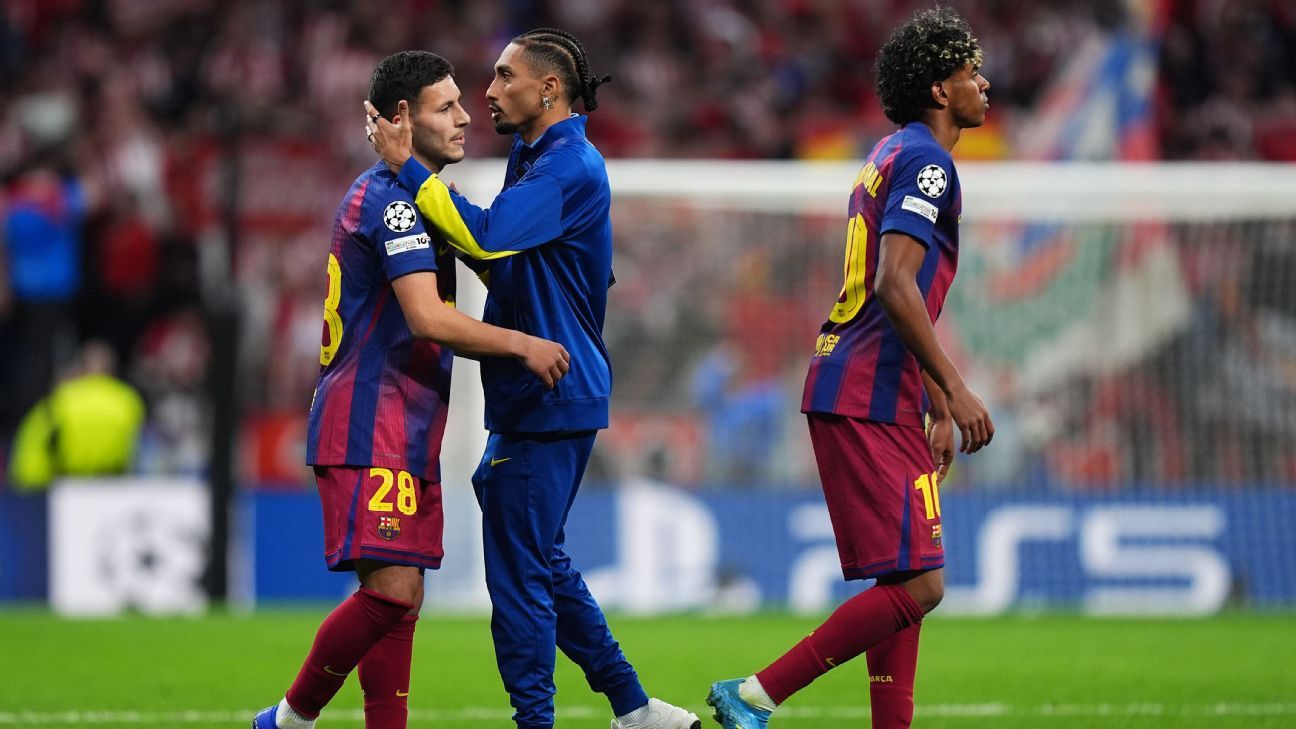
"The NCAA's recent reinstatement of James Nnaji, along with other European professional players, has shown that its current application of eligibility rules favor players who have competed internationally over athletes who have pursued domestic opportunities," the complaint states. "Despite being selected 31st overall in the NBA Draft, Nnaji was recently reinstated and will have four seasons of NCAA eligibility. This, despite Nnaji playing professionally for at least three seasons in Europe, including two for powerhouse FC Barcelona. The NCAA's rules also create an entirely arbitrary distinction between student athletes who go directly from high school to professional competition and those who initially enroll in college, later leave for the draft, and then seek to return."
Bediako averaged 10.4 points, 9.3 rebounds and 1.3 blocks in 34 regular-season games for the Grand Rapids Gold in the G League last season. He played six regular-season games for the Motor City Cruise this season, as well as five for the Austin Spurs in 2023-24.
The case for Bediako -- who averaged 6.6 points, 5.2 rebounds and 1.7 blocks from the 2021-22 season through the 2022-23 season at Alabama -- is unprecedented. Although he wasn't selected in the 2023 NBA draft and never played in an NBA game, he signed a two-way contract with the San Antonio Spurs that year. No two-way player has ever been granted eligibility to play college basketball, and NCAA president Charlie Baker said last month that "the NCAA has not and will not grant eligibility to any prospective or returning student-athletes who have signed an NBA contract (including a two-way contract)."
The NCAA reiterated that stance in a statement Tuesday.
"The NCAA is aware of media reports about a lawsuit filed against the NCAA by Charles Bediako," the statement said. "Mr. Bediako signed three NBA contracts after competing in college for two seasons. The NCAA has not and will not grant eligibility to any prospective or returning student-athletes who have signed an NBA contract. Eligibility rules ensure high school students get a shot at earning scholarships, and we will continue to consistently apply and defend these rules."
If Bediako -- who is currently enrolled at Alabama -- is granted eligibility by a judge, it could open the door for other young NBA and two-way players who might also challenge NCAA rules to gain more collegiate eligibility.
Bediako, a 7-foot center, helped Alabama reach the NCAA tournament in his two seasons before he entered the NBA draft. Because he started his collegiate career in 2021, he likely would have just the rest of this season to finish his four-season window in five years, per NCAA rules, if granted eligibility.
Bediako's complaint says the school's petition for his immediate eligibility was denied because of the NCAA's "Draconian" rules. The complaint also states that he would not have left college in 2023 had he known that the current revenue sharing and NIL opportunities might have been available to him.
"The NCAA's arbitrary and inconsistent enforcement of its eligibility standards is inflicting immediate and irreparable harm upon [Bediako]," Darren Heitner, one of Bediako's attorneys, said in a statement on X. "This harm is particularly egregious given the NCAA's recent decisions granting eligibility to athletes with far more extensive professional experience, revealing a pattern of selective and inequitable application of its own rules."