
David HaleJan 23, 2026, 06:03 PM ET
- College football reporter.
- Joined ESPN in 2012.
- Graduate of the University of Delaware.
During a more than hourlong news conference Friday, Clemson coach Dabo Swinney ripped Ole Miss coach Pete Golding's alleged direct tampering with a Clemson player, lamented the current landscape of college football that encourages such malfeasance, and offered a manifesto of changes he believes are needed to provide guardrails for an out-of-control system.
Swinney lambasted Golding for allegedly making direct, repeated overtures to lure linebacker Luke Ferrelli into the transfer portal after Ferrelli had already signed a contract and enrolled in classes at Clemson, calling it a "straightforward case of tampering" and imploring his colleagues in the coaching ranks to "be an example to young coaches in this profession and be people of integrity or shut your mouth and don't complain."
Swinney referred to the portal landscape as "flat-out extortion" in some instances and cited Ferrelli's case as a "blatant" example of how ugly things have gotten in a system that seemingly has no consequences for bad actors.
"This is a whole other level of tampering," Swinney said of Golding and Ole Miss's communications with Ferrelli. "It's total hypocrisy. ... This is a really sad state of affairs. We have a broken system, and if there are no consequences for tampering, then we have no rules and we have no governance."
Swinney's comments come on the heels of a number of other high-profile conflicts surrounding player movement in the transfer portal, including Washington quarterback Demond Williams Jr., who attempted to back out of a contract with the Huskies before returning to the program, and Duke quarterback Darian Mensah, who is now being sued by the school for breach of contract as he attempts to transfer after saying he would remain with the Blue Devils.
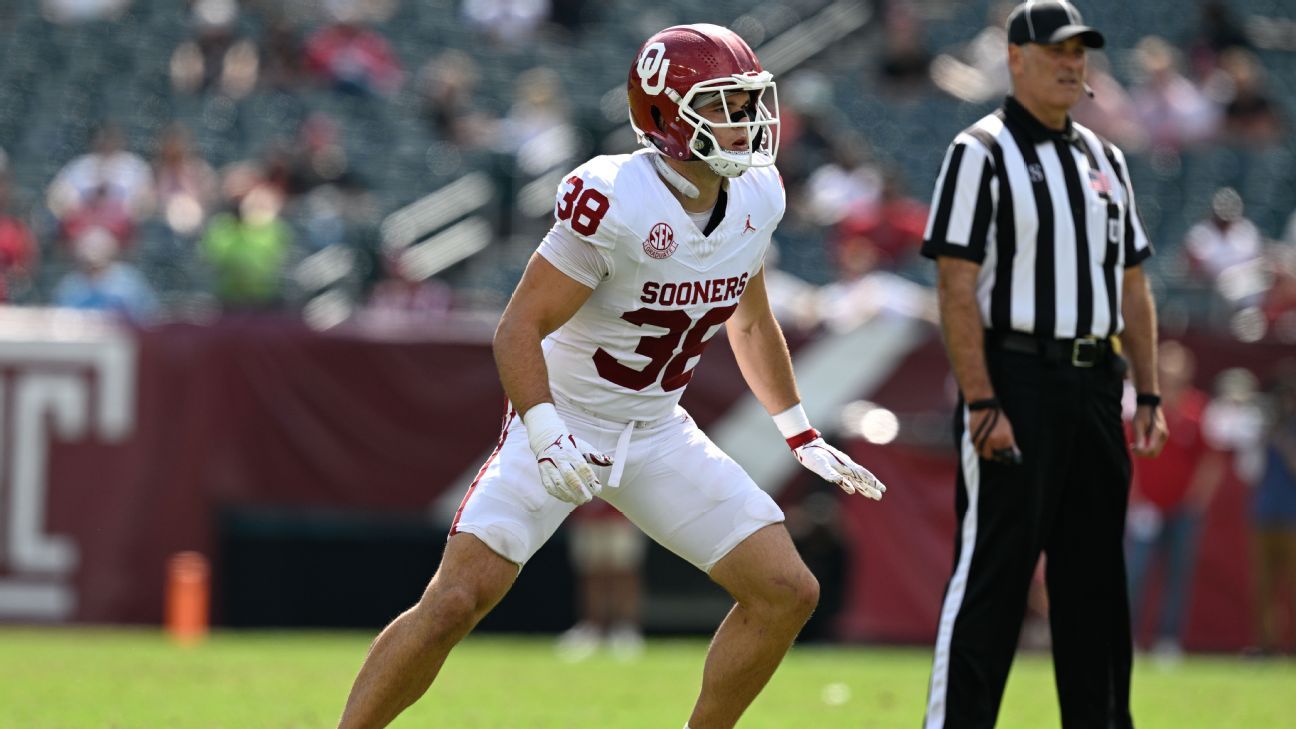
Ferrelli, one of the country's top freshmen defenders in 2025 at Cal, entered the portal in January. Swinney detailed a two-week process that followed in which Ferrelli visited both Ole Miss and Clemson, agreed to a revenue-sharing contract with the Tigers, rented an apartment, purchased a car, enrolled in and attended classes and had begun offseason workouts there.
Swinney said that on Jan. 14 -- more than a week after Ferrelli had begun classes at Clemson -- Ferrelli's agent contacted Clemson general manager Jordan Sorrells to alert him that "Ole Miss was going hard" after Ferrelli. At Swinney's request, Sorrells then reached out to Ole Miss GM Austin Thomas requesting the school cease further communication with Ferrelli.
According to Swinney, Thomas assured Sorrells that he did not support tampering but that Golding "does what he does."
Swinney then detailed a series of communications from Golding to Ferrelli starting during an 8 a.m. class saying, "I know you're signed but what's the buyout?" and was followed by a photo of a $1 million contract offer and phone calls from quarterback Trinidad Chambliss and former quarterback Jackson Dart attempting to lure Ferrelli back into the portal.
Ferrelli told Clemson he had no interest in leaving, according to Swinney, but Ferrelli's agent, Ryan Williams, declined to offer copies of those text messages unless, Swinney said, the Tigers ponied up for a second year on Ferrelli's contract that included a $1 million extension. Clemson declined that offer.
Swinney and athletic director Graham Neff then detailed a roller-coaster four hours on Jan. 15 that began with Ferrelli on campus assuring coaches he was planning to stay put only to end up in the school's compliance office by late afternoon, requesting to be entered into the portal with plans to go to Ole Miss.
On Friday, Jan. 16, Clemson officially submitted a complaint to the NCAA alleging "blatant" and "straightforward" tampering, and Neff said the school will still consider additional legal action if no resolution follows.
"I'm not trying to get anybody fired, but when is enough enough?" Swinney said. "If we have rules, and tampering is a rule, then there should be a consequence for that. And shame on the adults if we're not going to hold each other accountable."
Golding has been head coach at Ole Miss for less than two months, after former coach Lane Kiffin departed to take the head job at LSU ahead of the Rebels' playoff run. Golding had to deal with numerous other schools attempting to lure Ole Miss players after Kiffin's departure, as well as a hectic month of preparing for playoff games while many of his assistant coaches pulled double duty, working at both Ole Miss and LSU.
Swinney said, when confronted with the tampering allegations, one of Ole Miss's responses was that other schools had tampered with its players, too.
"One thing I do know," Swinney said, "is two wrongs don't make a right."
Swinney said NCAA officials were "surprised" by how upfront Clemson was in its complaint, telling him that numerous schools have expressed frustration or made less clear-cut accusations of tampering but had rarely been willing to step forward to file an official grievance.
Whether the NCAA can or will enforce any sort of punishment should it find Ole Miss tampered with Ferrelli remains a question. Though tampering is against NCAA rules, it's widely considered a rampant issue that often entails communications between third parties to avoid strict definitions of rule-breaking.
"This is not about a linebacker at Clemson," Swinney said. "I don't want anyone on our team that doesn't want to be here. But it's about the next kid and the next kid and the message that's being sent with just blatant tampering being allowed to happen without consequences. This isn't about our program. It's about college football."
Swinney capped Friday's media session by detailing a series of suggestions he'd like to see implemented to address the most glaring issues in college football, including moving the portal window back into the spring, reimagining spring football as a series of OTAs with the timing determined by each program, and limiting free transfers to one per player unless a head coach leaves or the player graduates. He even suggested collective bargaining would be a better alternative than the current status -- a marked departure from a coach who'd long argued against making student-athletes employees.
Swinney also called for a better revenue-sharing system in which a percentage of money earned would be withheld and distributed upon graduation or turning 25 as a means of preventing long-term financial problems for players down the road.
"If we don't act about these current transfer rules, we're going to look up in five or six years and see a mass of players without degrees who'll have spent their short-term money," Swinney said. "We're going to have a bunch of screwed-up 30-year-olds. ... I believe college football is set up to reward the 2% that have a chance to make it to the NFL. As adults, we should know better and do better for the 98% of college football players who won't play in the NFL. I think we have a responsibility to make sure we educate, equip and graduate young men that have been entrusted to all of us in college football."