 2 hours ago
8
2 hours ago
8
An artificial intelligence "kill switch" which can be checked by a third-party may need to be mandatory for companies, a co-founder of one of the world's largest AI firms has said.
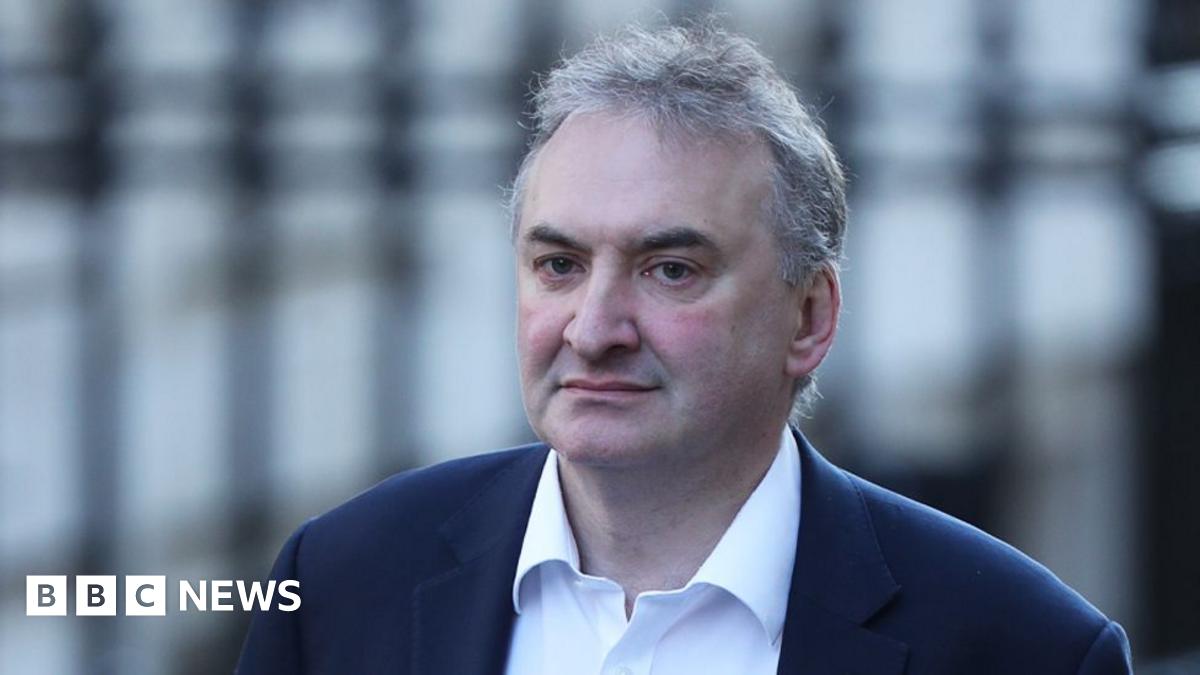
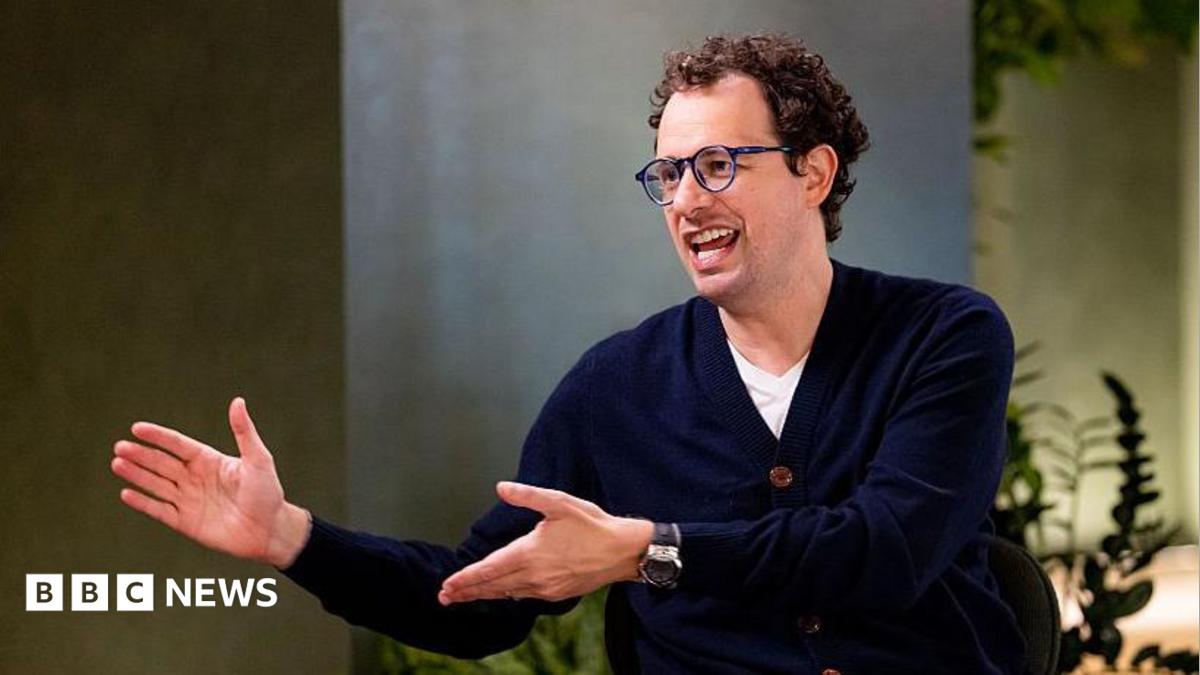
Jack Clark, one of seven founders of Anthropic, said a way of shutting off AI software completely if it gets too dangerous was something society "might want to eventually pass rules around".
Clark said "most labs have different ways of being able to pull the plug", including Anthropic, but said lawmakers may need to enforce having one.
AI's rapid developement and fears over the risks it poses to humanity have been thrust into the spotlight by a series of warnings from executives and staff at AI firms.
Some have said publicly there is a chance the technology could, if unchecked, kill all humans.
Anthropic chief executive Dario Amodei over the weekend called for the pace of AI development to slow and be more closely monitored, as the company has done before, though some have questioned the motivations behind this.
Amodei added that any action to reign in AI development should be done "without sacrificing commercial advantage".
Clark told the BBC that specifics around "kill switch" requirements and verification should be part of "the larger policy conversation" taking place around AI.
"Should you mandate for companies to definitely have a kill switch? Is that kill switch verifiable by a third party?" he asked.
"I think that's the kind of thing society is going to want to know and might want to eventually pass rules around."
Anthropic, which was formed in 2021 by a group of former employees of its rival OpenAI, is currently at the centre of a debate around AI safety.
Last week, a post from an artificial intelligence researcher who quit Anthropic over concerns AI could wipe out humanity went viral.
In response, Anthropic scientist Evan Hubinger said he personally thought the possibility of human extinction from AI was ">10% within the next decade".
Computer scientist and Nobel Prize winner Geoffrey Hinton, known as the "Godfather of AI", told the BBC on Friday that a 10% chance of AI killing all humans was "not unreasonable", external.
He and others with similar concerns have suggested AI could do so by taking control of important systems connected to the internet and turning them on humans.
However, some in the AI industry have suggested the fears around it destroying humanity are overstated or may be designed to generate hype.
Clement Delangue, leader of the developer platform Hugging Face which was hacked by OpenAI bots, said last week: "Sorry, but asking Jacob [Coxon] about AI extinction risk is like asking your AC guy about climate change."
"Not saying it's necessarily uninteresting or wrong per se but let's keep things in perspective."
George Arison, the leader of Grindr, said the fears going around AI tools were being used by the companies to support their business plans.
"The only way to justify these valuations is to actually claim: 'I'm going to take over every industry and I'm going to take over every job, and my AI is going to be doing all that work,'" Arison said.
Asked what percentage he would put on all humans being killed by AI, Clark said: "I don't think these statistics are that useful", but added that allowing AI to continue as a "totally unregulated industry" was a bad idea.
"We are rolling dice with immense risks," Clark said. "And the point is, we have to change the course of this industry."