
Rob DawsonFeb 21, 2026, 04:00 AM ET
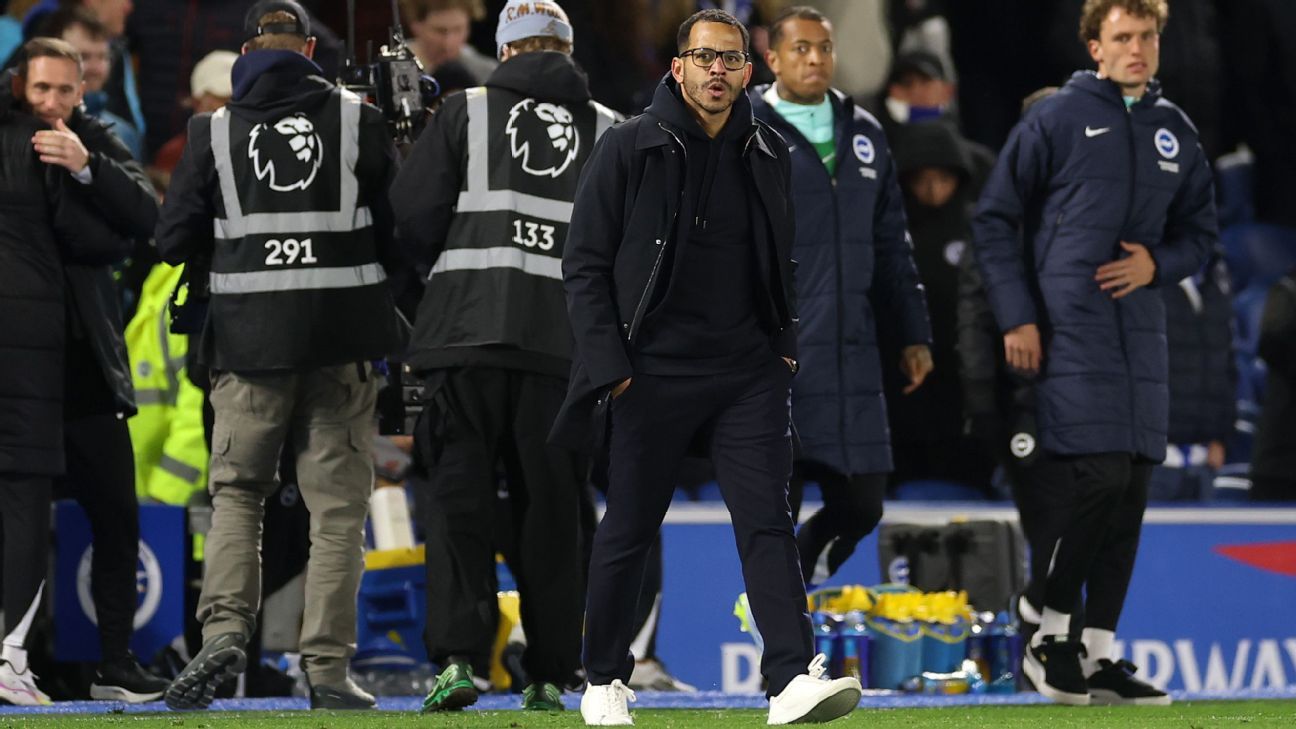
After winning his fourth straight game -- 2-0 against Tottenham Hotspur on Feb. 7 -- Manchester United head coach Michael Carrick walked into the interview room next to the tunnel at Old Trafford with a beaming smile. Having spoken to the same broadcaster twice already earlier in the day, the former Manchester United midfielder, who has been appointed coach until the end of the season, joked that he was surprised "there were any questions left."
Four wins and a draw from his five games have been welcome for United since Carrick's Jan. 13 arrival, but so has the calm. There were always questions for former boss Ruben Amorim during a roller-coaster 14 months in charge, many of them difficult to answer. In contrast, Carrick has brought a sense of tranquility.
Results have helped, obviously, but he's also gone out of his way to steady the ship in other ways. By the end of Amorim's reign, club bosses started to feel anxious whenever the Portuguese coach was due to open his mouth. With Carrick, there are no such worries. There haven't been any challenges issued to the owners for more support, nor players singled out for public criticism. Anything that could be controversial about team selection or United's performances has been neatly side-stepped.
In line with what Carrick sees as United's values, players have been reminded that they should see it as a privilege to play for the club. It was something he felt during his 12 years in the center of United's midfield. Even though he has offered the squad a clean slate -- especially positive for players frozen out by Amorim, like Kobbie Mainoo -- he's also stressed the importance of taking responsibility for what has gone before.
Carrick was previously on Ole Gunnar Solskjaer's staff at United and was hurt when the Norwegian was sacked in November 2021. When he took the reins for three games as interim manager, he told the players he would first look at himself and that they should do the same. He's taken a similar approach to the job this time.
He won the role in part because of his composure during talks with CEO Omar Berrada and director of football Jason Wilcox. There was a feeling, according to sources, that while it was clear he wanted the opportunity, he wasn't desperate for it. He kept quiet during negotiations and even when his candidacy became public, close friends said that he "went quiet" on their WhatsApp groups.
After leaving Middlesbrough in the summer, Carrick kept busy with his charitable foundation and punditry work. He was booked to appear as a television guest for the Manchester derby, but had to hastily cancel when it turned out he would be on the touchline instead.
Some of those around Carrick felt that the United job was the only coaching role that would force him to return to the game full-time, particularly after showing apparent indifference to talks with Wolves when they were looking for a new manager in November. For many of the players who formed the core of successful teams under Sir Alex Ferguson, the chance to go back is impossible to turn down.
- Wright: Is it happening again? Arsenal's stumble in title race follows familiar pattern
- Hamilton: Soccer managers' latest source of inspiration? The rugby pitch
- O'Hanlon: The Premier League's best and worst players at different skills
Carrick is his own man, although much of the way he conducts himself is learned from Ferguson. What happens in the dressing room stays in the dressing room, and he has brought back emphasis on the academy.
One of the first things Carrick did when he took the job was to inform a select group of academy graduates that they would be permanently joining the senior squad for training. Under Amorim, young players would often only find out in the morning if they were needed to make up the numbers with the first team.
On one occasion, Bruno Fernandes approached Amorim and his staff to suggest that one young player should be getting more opportunities. That kind of intervention is unlikely to be needed under Carrick, who has taken it upon himself to get up to speed quickly on which prospects are progressing well.
With a 12-day gap between the 1-1 draw with West Ham and the trip to Everton on Monday, Carrick gave his players some time off, but he was in Manchester on his weekend off watching two United youth teams play Manchester City at the City Football Academy on Saturday morning. Keeping a low profile in a long black coat and sunglasses, he watched his son, Jacey, play for the under-16s before having a long conversation with U18s boss Darren Fletcher after their 3-1 win on an adjacent pitch.
According to those around the club, Carrick has been so focused on the day-to-day job that he has rarely strayed into long-term planning. For example, he has had no conversations about the possibility of bringing back Marcus Rashford in the summer. The academy is an exception because he considers promoting youth team players an important club value. Highly rated winger Shea Lacey is one of his favorites.
Carrick has put United on course to qualify for Europe after taking 13 points from a possible 15, and a return to the Champions League is also in sight. In the process, he's put himself on a path to be named permanent boss, although United remain committed to carrying out a full recruitment process.
If results carry on in the same manner -- starting with Everton at the Hill Dickinson Stadium -- the most difficult questions he'll face will be about whether he expects to get the job full-time.
A different character might make life awkward for the club with their answers in the hope of piling on the pressure and forcing the issue. Berrada and Wilcox won't be concerned -- they already know Carrick isn't the type to rock the boat. After a tumultuous 14 months, everyone at Old Trafford is enjoying the calm.